Leather products are used across fashion, accessories, corporate gifting, footwear, and lifestyle industries. Wallets, belts, handbags, footwear components, notebook covers, luggage tags, and other leather items often require decorative patterns or personalised details to give them a distinct appearance. Manufacturers also need ways to reproduce the same design across different products while accommodating customised customer orders.
This is where leather engraving becomes useful. A laser engraving machine can create patterns, lettering, logos, decorative borders, and personalised designs directly on compatible leather surfaces. Instead of relying entirely on printed designs or manual carving, manufacturers can use digital artwork to produce repeatable markings with controlled positioning.
Leather laser engraving also gives businesses flexibility when working with different product shapes and design requirements. A company producing wallets may need small logos and initials, while a manufacturer of leather bags may require larger decorative patterns across panels.
However, the final result depends on the type of leather, its surface finish, thickness, grain, and laser settings. Manufacturers must evaluate these factors before selecting a laser engraving process for regular production.
Why Is Laser Engraving Used for Leather Products?
Leather has a natural texture and surface appearance that can be used as part of a product’s design. Adding a pattern or personalised detail can make an otherwise simple item more recognisable.
Traditional methods such as stamping, printing, and manual carving can be used to decorate leather, but each process has its own production requirements. Laser engraving offers a digitally controlled alternative for creating suitable designs directly on the material.
For example, a wallet may feature a small brand logo, a belt may carry a decorative pattern, and a notebook cover may include a customer’s initials. These details can be prepared as digital artwork and adjusted according to the available surface area.
Another advantage is the ability to change designs between orders. Manufacturers can keep the same basic product layout while changing names, logos, or decorative elements for individual customers.
This makes laser engraving relevant to both customised products and repeat manufacturing work.
How Does Leather Laser Engraving Work?
A CO₂ laser engraving machine directs a focused laser beam onto the leather surface. The energy interacts with the material and creates a visible change in the engraved area. Depending on the leather type and settings, this may produce a darker marking, a change in surface texture, or a pattern formed by removing part of the surface layer.
The design is prepared using compatible graphics software and converted into instructions that control the movement of the laser. The machine follows the artwork to produce the required lines, shapes, lettering, and patterns.
The final appearance is influenced by several factors:
- Type and composition of leather.
- Natural grain and surface texture.
- Laser power and engraving speed.
- Design resolution and line spacing.
- Focus position and material thickness.
- Ventilation and air-assist conditions.
Genuine and synthetic leather do not necessarily respond in the same way. Even two pieces of genuine leather can produce different results because natural hide characteristics vary.
Common Applications of Laser Engraving in Leather Products
Laser engraving can be used for different decorative and identification purposes, depending on the product and the available surface.
1. Wallets and Card Holders
Wallets and card holders provide suitable areas for small logos, initials, names, and decorative artwork. A manufacturer may apply a brand symbol to the outer surface or add personalisation to an individual order.
Since these products often contain smaller panels and stitching areas, the design must be sized according to the available space. Excessively detailed artwork may become difficult to distinguish when reduced to a very small size.
2. Leather Belts
Belts can feature repeated decorative patterns, logos, initials, or other personalised details. Laser engraving can help reproduce a selected design across compatible leather surfaces.
Manufacturers should consider the belt’s thickness and finish before selecting the engraving parameters. The marked area should also be checked to ensure the design does not interfere with stitching, holes, or other functional features.
3. Handbags and Leather Accessories
Handbags may contain larger panels that provide room for decorative patterns, brand logos, and customised artwork. Manufacturers can use digital designs to prepare repeated patterns or individual elements for different product collections.
Leather accessories such as key holders, small pouches, and luggage tags can also carry names, symbols, and identification details.
4. Footwear Components
Leather footwear may include uppers, decorative panels, patches, and other components with space for patterns or branding.
The design must suit the shape and thickness of the component. Positioning is especially important when the leather panel will later be stitched, folded, or assembled with other materials.
5. Notebook Covers and Corporate Gifts
Leather notebook covers, organisers, folders, and corporate gift items can be customised with company logos, names, dates, and decorative artwork.
Laser engraving patterns can be saved and reused for repeat orders, while variable information can be changed to suit different customers.
Types of Leather and Their Response to Laser Engraving
Material selection is one of the most important parts of leather laser engraving. Different types of leather have different compositions and surface properties, which influence the appearance of the finished marking.
Genuine Leather
Genuine leather is made from natural hide. Its grain, texture, thickness, and surface finish can vary between pieces.
These natural differences can affect how the laser interacts with the material. One sample may produce a darker engraved area, while another may show a different contrast using the same settings.
For this reason, manufacturers should test representative pieces from the actual material batch before approving a design. If the leather begins to deform during processing, laser power may need to be reduced.
Synthetic Leather
Synthetic leather is manufactured using materials such as polyurethane and other layered constructions. Some types include a fabric backing or decorative coating.
These materials may be used for wallets, bags, footwear, accessories, and other products. Their response to engraving depends on the composition, coatings, and surface finish.
Manufacturers should not assume that every synthetic leather product is suitable for laser processing. The exact material composition must be checked before use.
Material safety is essential: PVC or vinyl materials must not be laser processed because they can release dangerous chlorine-containing gases. Leather containing chromium (VI) is also identified as unsuitable for laser cutting in laser-material safety guidance. Manufacturers should check the supplier’s material information and safety documentation before processing any unfamiliar leather.
Creating Different Leather Engraving Patterns
One of the useful features of digital artwork is the ability to prepare different patterns for different leather products.
Common laser engraving patterns include:
- Floral patterns: Flowers, leaves, vines, and nature-inspired illustrations.
- Geometric patterns: Repeated lines, shapes, symmetrical designs, and decorative borders.
- Monograms and initials: Personalised letters and names for wallets, belts, and gift items.
- Branding designs: Company logos, product names, and decorative brand elements.
- Traditional motifs: Ornamental designs inspired by cultural and decorative artwork.
- Textured patterns: Repeated surface details that give selected leather products a distinctive appearance.
The complexity of the design should match the product’s dimensions. A larger handbag panel may accommodate an intricate illustration, whereas a small wallet section may need simpler lines and larger characters.
Before production, the artwork should be checked at its actual engraving size. Small details that appear clear on a computer screen may become crowded when reduced.
The Role of a CO₂ Laser Cutter in Leather Product Manufacturing
A CO₂ laser cutter can support both engraving and cutting applications involving compatible leather materials. This allows manufacturers to prepare decorative designs and cut selected leather components using the same type of laser platform.
The distinction between these operations is important. Engraving changes the surface to create patterns, text, or other visible details. Cutting separates the material along a planned path to produce the required shape.
For leather manufacturers, cutting may be used to prepare wallet panels, belt sections, patches, decorative pieces, and other product components. Engraving can then add logos, personalisation, or decorative artwork where required.
A suitable CO₂ laser cutter can therefore support different stages of leather product manufacturing, provided that the material and machine configuration are compatible.
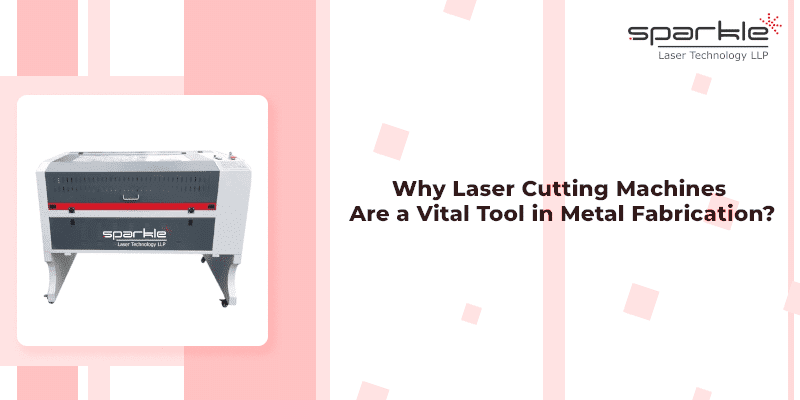
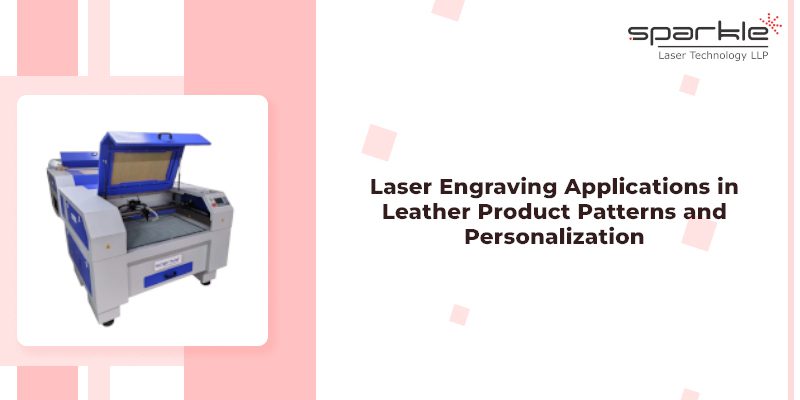
The CO₂-9060 Laser Cutting Machine for Leather Applications
The CO₂-9060 Laser Cutting Machine is listed for engraving and cutting a range of non-metal materials, including leather, fabrics, wood, acrylic, rubber, paper, and other compatible materials. Its product information lists output power options of 80W, 100W, 130W, and 150W.
The listed machine specifications include:
| Specification | Listed information |
| Output power | 80W, 100W, 130W, 150W |
| Control system | Ruida 6442S |
| Z-axis height adjustment | 180 mm |
| Minimum English letter size | 1.5 × 1.5 mm |
| Resolution | ±0.05 mm / 1000 DPI |
| Positioning system | Red-light pointer |
| Cooling | Water cooling and protection system |
| Compatible software | CorelDRAW, AutoCAD, Photoshop, AI |
The machine also lists a honeycomb work table, blower, and chiller among its available equipment. The product information describes adjustable ventilation arrangements for laser processing.
For manufacturers working with leather, these features can be evaluated according to the dimensions of the material, required engraving detail, and production volume. The working area and machine configuration should be confirmed for the particular setup before planning production.
What Manufacturers Should Evaluate Before Leather Engraving
1. Material Composition
The exact leather type should be identified before processing. Genuine leather, polyurethane-based synthetic leather, and coated leather can respond differently to the same laser settings.
Manufacturers should check the material supplier’s information and confirm that the material is safe for laser processing.
2. Surface Condition and Grain
Natural grain, texture, coating, and surface finish influence the appearance of the engraved design. Material samples should be tested to identify suitable parameters and check whether the pattern remains clear.
3. Design Size and Detail
The design should fit the available surface without making small lettering or fine lines difficult to distinguish. Artwork should be inspected at the actual production size before processing.
4. Laser Settings
Power, speed, resolution, focus, and air-assist conditions can affect engraving depth, colour change, and surface quality.
A laser processing guide from Trotec recommends using air assist and a resolution of at least 500 ppi for its leather processing setup. These figures should not be treated as universal settings; manufacturers need to establish suitable parameters through testing on their own machine and material.
5. Cutting and Engraving Requirements
Manufacturers should decide whether the job needs only surface engraving or both engraving and cutting. The design file, workpiece positioning, and machine settings must be prepared accordingly.
6. Ventilation and Material Safety
Laser processing leather can produce smoke and fumes. An appropriate extraction and ventilation arrangement is necessary, and only identified, approved materials should be used. Material safety documentation should be checked before processing.
7. Batch Consistency
When producing multiple items with the same design, manufacturers should check the pattern placement, contrast, dimensions, and overall finish across representative samples.
Maintaining Consistent Results in Leather Engraving
Consistent leather engraving requires attention to both the digital artwork and the physical material.
The design should be approved before production, and each leather piece should be positioned correctly. Manufacturers should also check the focus and settings whenever the material type, thickness, surface finish, or design changes.
After engraving, the finished product should be inspected for uneven darkness, excessive burning, incomplete lines, and unwanted surface deformation.
Natural leather may show variations in grain and colour even when the same artwork and settings are used. These characteristics should be considered when defining acceptable appearance standards for a production batch.
Final Thoughts
Laser engraving applications in leather products extend from decorative patterns and personalised names to brand logos, monograms, and product identification. The process offers manufacturers flexibility when creating customised designs and producing repeated patterns across different leather items.
A suitable CO₂ laser cutter can also support the cutting of compatible leather materials, allowing manufacturers to prepare product components and apply decorative details through digitally controlled processes.
The most important considerations are the leather’s composition, surface finish, design complexity, laser parameters, ventilation, and production consistency. By testing the actual material and selecting suitable machine settings, manufacturers can determine whether leather laser engraving is appropriate for their product range.