Hardware tools play a critical role in manufacturing, construction, automotive, aerospace, fabrication, mining, and heavy engineering industries. Every day, these tools are exposed to harsh operating conditions that include constant friction, heavy impact, oil, grease, dust, moisture, chemicals, and repeated handling. Despite working in these demanding environments, every tool must remain easily identifiable throughout its service life to support inventory management, maintenance, quality assurance, and product traceability.
As industries continue to automate production and manage larger inventories of equipment, the need for permanent identification has become more important than ever. Manufacturers invest heavily in precision tools, cutting tools, dies, moulds, hand tools, measuring instruments, and industrial hardware. Losing identification on these assets can lead to misplaced tools, inaccurate maintenance records, production delays, and unnecessary replacement costs.
Traditional identification methods such as adhesive labels, painted markings, ink printing, and metal tags often struggle to withstand continuous industrial use. Labels peel away, printed information fades, and painted markings gradually disappear due to abrasion and repeated cleaning. Once identification becomes unreadable, it becomes difficult to verify ownership, manufacturing information, inspection history, or maintenance schedules.
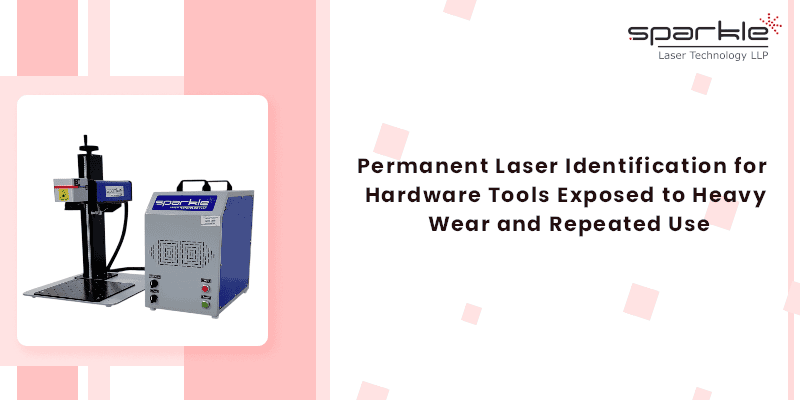
Permanent laser identification provides a reliable solution by creating durable markings directly on the surface of hardware tools. Serial numbers, batch numbers, company logos, QR codes, Data Matrix codes, and asset identification remain clearly visible even after years of continuous use. Since the marking becomes part of the tool surface, it resists wear far better than conventional identification methods.
As manufacturing industries continue to demand better efficiency, stronger asset management, and complete traceability, permanent laser identification has become an essential technology for protecting valuable hardware tools throughout their operational lifecycle.
Why Permanent Identification Matters for Hardware Tools?
Industrial facilities often manage thousands of hardware tools across multiple production lines, maintenance departments, warehouses, and field service teams. Every tool represents a valuable investment, and keeping accurate records throughout its working life is essential for maintaining operational efficiency.
Permanent identification allows manufacturers to maintain complete visibility over every tool from the day it enters service until it is eventually replaced. Maintenance teams can immediately identify individual tools, review maintenance history, confirm ownership, and verify inspection records without relying on temporary labels or external paperwork.
This level of traceability helps organizations improve equipment utilization while reducing administrative effort. It also ensures that valuable tools remain connected to their manufacturing history, making warranty verification and quality investigations significantly easier whenever required.
Without permanent identification, businesses often experience misplaced tools, duplicate purchases, inaccurate maintenance records, and unnecessary downtime caused by missing equipment information.
Challenges Faced by Hardware Tools in Industrial Environments
Hardware tools operate under conditions that quickly damage conventional identification methods. Daily exposure to rough handling, metal-to-metal contact, lubricants, cleaning chemicals, high temperatures, and abrasive environments gradually removes temporary markings from the tool surface.
This creates significant challenges for manufacturers that rely on accurate asset tracking and maintenance scheduling.
Some of the most common issues include:
- Identification becoming unreadable after continuous use.
- Difficulty tracking maintenance history.
- Confusion between similar-looking tools.
- Delays during inventory audits.
- Increased tool replacement costs.
- Lost production time while locating equipment records.
- Reduced traceability during quality inspections.
The comparison below demonstrates why permanent laser identification has become the preferred solution for industrial hardware applications.
| Identification Method | Common Limitations |
|---|---|
| Adhesive Labels | Peel off due to oil, moisture, and repeated handling. |
| Ink Printing | Fades after exposure to chemicals and industrial cleaning. |
| Paint Marking | Gradually wears away because of friction and abrasion. |
| Metal Tags | Can become bent, damaged, or detached during operation. |
| Permanent Laser Identification | Produces durable, high-contrast markings that remain readable throughout the tool’s service life. |
Because hardware tools are expected to perform reliably for many years, manufacturers require an identification method that can withstand the same demanding environments as the tools themselves.
How Permanent Laser Identification Improves Tool Traceability
Modern manufacturing depends on complete product traceability, and hardware tools are no exception. Permanent laser identification enables every tool to carry unique information that remains visible throughout its operational life without affecting the tool’s strength or performance.
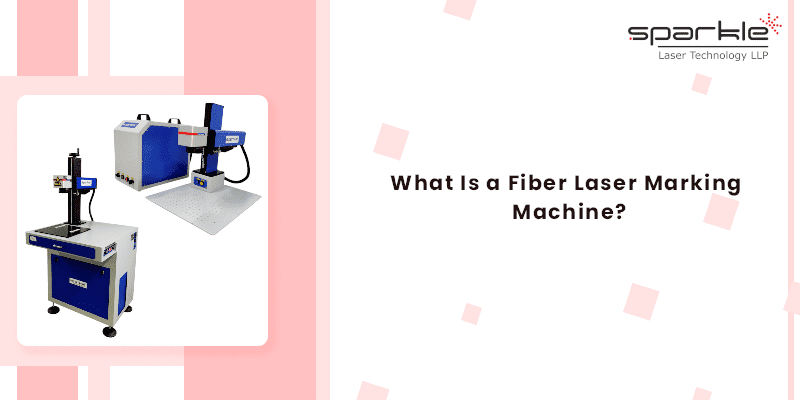
Manufacturers commonly apply identification such as serial numbers, asset numbers, company logos, product codes, batch numbers, QR codes, and Data Matrix codes directly onto the tool surface. For metal hardware and industrial components, a suitable laser marking machine for metal can be configured for permanent identification applications.
Permanent identification also simplifies maintenance management by allowing technicians to quickly retrieve inspection records, service history, calibration schedules, and manufacturing information whenever required. Instead of searching through paperwork or replacing unreadable labels, maintenance teams can immediately identify the correct tool and continue operations without unnecessary delays.
Supporting Better Inventory and Asset Management
Accurate inventory management becomes increasingly important as manufacturing facilities expand their operations. Managing hundreds or thousands of hardware tools manually can be both time-consuming and error-prone, especially when tools frequently move between departments or project sites.
Permanent laser identification allows businesses to maintain better control over their assets by ensuring that every tool carries a unique and durable identity. This simplifies stock verification, equipment allocation, maintenance scheduling, and asset tracking throughout the organization.
Clear identification also reduces the possibility of misplaced equipment, duplicate purchases, and inventory discrepancies, helping manufacturers improve operational efficiency while protecting valuable industrial assets.
Improving Maintenance Efficiency Through Permanent Identification
Industrial hardware tools require regular inspection, servicing, calibration, and replacement to maintain performance and workplace safety. Maintenance teams often manage hundreds of similar-looking tools, making accurate identification essential for efficient servicing. Without permanent identification, technicians may spend valuable time verifying tool specifications, maintenance records, or ownership before beginning repairs.
Permanent laser identification simplifies this process by ensuring that every tool carries durable and easily readable information throughout its operational life. Maintenance personnel can instantly identify serial numbers, asset numbers, inspection dates, or product information without depending on external records or temporary labels.
This improves maintenance planning while reducing equipment downtime and helping organizations maintain accurate service histories for every valuable tool.
Reducing Tool Loss and Replacement Costs
Misplaced hardware tools represent a significant operational expense for many manufacturing facilities. When identification becomes unreadable, distinguishing between similar tools becomes difficult, increasing the possibility of unnecessary replacement purchases and inventory discrepancies.
Permanent laser identification helps businesses reduce these challenges by providing each tool with a unique identity that remains visible throughout years of continuous industrial use. Employees can quickly verify ownership, department allocation, and asset information without confusion.
This level of visibility helps organizations:
- Reduce misplaced tools.
- Prevent duplicate purchases.
- Improve equipment accountability.
- Simplify inventory verification.
- Lower replacement costs.
- Improve asset utilization.
As production facilities continue to expand, permanent identification becomes an effective way to control operating expenses while maximizing the value of existing equipment.Similar identification challenges can also occur with industrial components that look alike, making laser marking useful for preventing mix-ups during manufacturing and handling.
Supporting Quality Control and Product Traceability
Quality control depends heavily on accurate identification. Manufacturers must be able to trace every hardware tool back to its production batch, inspection records, and manufacturing information whenever quality concerns arise.
Permanent laser identification supports complete traceability by ensuring that essential product information remains permanently available on every tool. If a manufacturing defect or quality issue is discovered, organizations can quickly identify affected tools without disrupting the remaining inventory.
Permanent identification commonly includes:
| Identification Information | Purpose |
|---|---|
| Serial Numbers | Individual tool identification |
| Batch Numbers | Production tracking |
| Company Logos | Brand identification |
| QR Codes | Digital asset management |
| Data Matrix Codes | Automated traceability |
| Product Codes | Inventory and maintenance records |
Reliable traceability not only improves internal quality control but also strengthens customer confidence by demonstrating that manufacturers maintain complete records throughout the product lifecycle.
Enhancing Workplace Safety and Compliance
Many industries operate under strict quality and safety requirements where equipment must remain properly identified throughout its working life. Construction sites, manufacturing plants, oil and gas facilities, mining operations, and engineering workshops all rely on accurate tool identification to support safe operations.
Permanent laser identification enables organizations to maintain clear equipment records while simplifying safety inspections and compliance audits. Inspectors can immediately verify equipment information without relying on damaged labels or incomplete documentation.
Reliable identification also helps ensure that calibrated tools remain in service only within approved maintenance intervals, reducing operational risks and improving workplace safety.Manufacturing traceability also depends on maintaining reliable and trustworthy production data throughout the product lifecycle.
The Future of Hardware Tool Identification
Manufacturing industries are rapidly adopting digital technologies that improve equipment management and operational efficiency. Smart factories, automated inventory systems, predictive maintenance, and digital asset management all rely on accurate identification throughout the manufacturing process.
Permanent laser identification supports these technologies by creating durable markings that integrate with digital tracking systems. QR codes and Data Matrix codes allow manufacturers to connect physical tools with electronic maintenance records, inventory systems, calibration schedules, and production databases.
Future industrial facilities will increasingly depend on permanent identification to improve automation, strengthen traceability, reduce maintenance costs, and support data-driven decision-making across every stage of equipment management.
Conclusion
Hardware tools operate under some of the harshest industrial conditions, making reliable identification essential for efficient maintenance, inventory management, quality control, and long-term asset tracking. Temporary labels and conventional marking methods often fail under repeated wear, creating unnecessary operational challenges and increasing replacement costs.
Permanent laser identification provides a durable solution that withstands heavy industrial use while maintaining clear, readable information throughout the tool’s service life. By improving traceability, simplifying maintenance, supporting quality assurance, and strengthening asset management, manufacturers can protect valuable equipment while improving overall operational efficiency.
As industries continue investing in automation, digital manufacturing, and smarter asset management, permanent laser identification will remain a key technology for ensuring reliable hardware tool identification across every stage of industrial operations.
Frequently Asked Questions
Why is permanent identification important for hardware tools?
Permanent identification ensures that hardware tools remain traceable throughout their service life, supporting inventory management, maintenance, quality control, and asset tracking.
What information can be permanently laser marked on hardware tools?
Manufacturers commonly mark serial numbers, product codes, company logos, batch numbers, QR codes, Data Matrix codes, and asset identification numbers.
Does laser identification affect the strength of hardware tools?
No. When proper marking parameters are used, permanent laser identification creates durable markings without affecting the structural integrity or performance of the hardware tool.
Which industries benefit from permanent laser identification?
Industries including manufacturing, automotive, aerospace, construction, heavy engineering, mining, fabrication, oil and gas, and industrial maintenance widely use permanent laser identification for hardware tools.
How does permanent laser identification improve asset management?
Permanent identification allows organizations to accurately track tools, reduce equipment loss, simplify maintenance scheduling, improve inventory control, and maintain complete traceability throughout the tool’s operational lifecycle.