Branding has evolved far beyond logos printed on packaging or labels attached to products. In today’s premium market, consumers expect much more than functionality and attractive design. They seek authenticity, quality, and attention to detail. As customer expectations continue to rise, many brands are rethinking how their products communicate value and how visual identity becomes part of the overall product experience.
For years, printed logos have served as a practical solution for branding. They have helped companies establish recognition and communicate identity across countless industries. However, premium brands are increasingly discovering that traditional printing methods may not always align with the image of quality and durability they wish to project.
As a result, manufacturers are embracing permanent surface details that offer greater longevity, refined aesthetics, and stronger brand identity. From stainless steel drinkware and kitchenware to watches, home products, and luxury accessories, subtle surface details are becoming an important part of premium product design.
Why Branding Matters More Than Ever
Modern consumers are surrounded by countless choices. Products with similar features and performance often compete in the same market, making branding one of the most powerful tools for differentiation.
Branding is no longer limited to advertising campaigns or attractive packaging. Consumers increasingly associate product quality with the small details that reflect craftsmanship and attention to detail. The way a product feels, looks, and maintains its appearance over time contributes significantly to how a brand is perceived.
For premium brands, every element of the customer experience matters. Even subtle design details can influence trust, loyalty, and long-term perception. This changing landscape has encouraged companies to focus on branding solutions that provide both visual appeal and lasting value.
The Limitations of Printed Logos
Printed logos have been widely used because they are simple and cost-effective. However, products that are intended to last for years often place greater demands on branding materials.
Over time, printed surfaces may become susceptible to fading, peeling, scratches, and general wear. Products exposed to moisture, cleaning, regular handling, or changing environmental conditions may experience a gradual decline in appearance.
While these issues may seem minor, premium brands understand that customers often judge quality through details. A faded logo or worn branding element can negatively affect how consumers perceive the product itself.
As competition continues to increase, companies are seeking alternatives that complement the premium nature of their products and maintain their appearance throughout the product lifecycle.
The Rise of Permanent Surface Details
Permanent surface details represent a shift in how brands approach product identity. Instead of applying branding elements on top of the surface, manufacturers are increasingly integrating them into the product itself.
This approach creates a more refined and sophisticated appearance while improving durability and consistency. Permanent marking allows branding elements to remain visible for years without suffering from many of the limitations associated with traditional printing.
Consumers often perceive these subtle details as evidence of superior craftsmanship, and brands are increasingly recognizing the importance of these impressions.
Creating a Premium Product Experience
Premium products are built around experiences rather than specifications alone. Consumers are drawn to products that reflect quality, exclusivity, and thoughtful design.
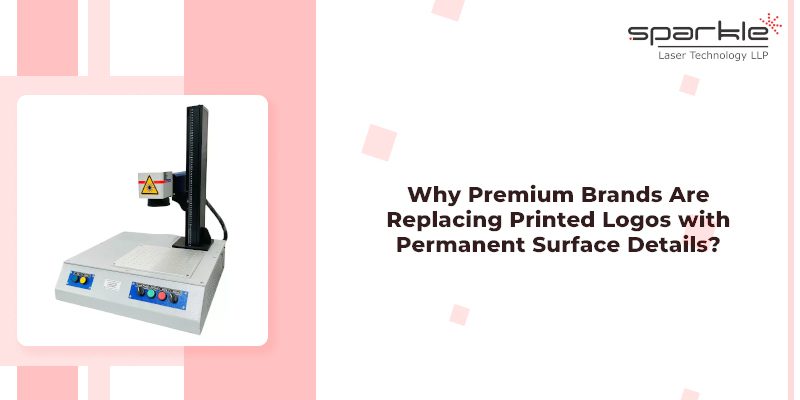
Metal engraving has become increasingly popular because it helps create products that feel more sophisticated and durable. Fine finishes and precision engraving communicate craftsmanship and reinforce the premium positioning of a brand.
For many manufacturers, branding is no longer an afterthought. Instead, it has become an integral part of the design philosophy itself.
Why Metal Products Are Embracing Permanent Branding
Metal products occupy an important position within premium consumer markets. Stainless steel drinkware, kitchenware, watches, accessories, and decorative home products are expected to maintain their appearance for many years.
Consumers purchasing premium products often expect a level of durability that extends beyond functionality. They want products that continue to look elegant and refined long after purchase.
This expectation has contributed to the growing popularity of stainless steel engraving and metal marking solutions. Unlike temporary branding methods, permanent surface details allow products to maintain their visual identity while supporting long-term quality.
Manufacturers increasingly understand that premium materials deserve branding solutions that reflect the same level of craftsmanship.
Product Differentiation Has Become Essential
In competitive markets, differentiation is becoming increasingly difficult. Products often offer similar features, leaving visual identity and customer perception as important deciding factors.
Consumers are naturally attracted to products that appear unique and thoughtfully designed. Surface details play an important role in creating this perception.
Permanent branding helps companies create products that feel more exclusive and distinctive. Precision engraving allows manufacturers to deliver subtle design elements that strengthen customer loyalty while improving overall brand value.
This ability to differentiate has become particularly important in industries where premium positioning influences purchasing decisions.
The Influence of Minimalist Design on Modern Branding
Modern premium brands are increasingly moving toward understated and elegant branding strategies. Rather than relying on large printed logos, many companies prefer subtle surface details that blend naturally with the product design.
This approach helps brands achieve:
- A cleaner and more sophisticated appearance.
- Better visual consistency across product lines.
- Stronger premium positioning.
- Greater emphasis on craftsmanship and quality.
Consumers often associate minimalist branding with luxury and exclusivity. As a result, subtle details are becoming just as important as logos themselves.
How Surface Details Strengthen Product Authenticity
Authenticity has become a major concern in today’s market. Consumers are paying closer attention to quality, originality, and long-term value.
Permanent surface details help strengthen authenticity by becoming part of the product rather than simply sitting on top of it. Fine markings and precision engraving contribute to a sense of trust and craftsmanship that customers appreciate.
These details help support:
- Brand identity.
- Product authenticity.
- Customer confidence.
- Consistent visual appearance.
As premium markets continue to evolve, authentic design elements are becoming increasingly valuable.
Sustainability Is Influencing Branding Strategies
Sustainability is changing the way manufacturers approach both product design and branding. Consumers are increasingly interested in products that deliver durability and long-term value rather than short-term aesthetics.
This shift has encouraged brands to focus on:
- Long-lasting product identity.
- Reduced dependence on temporary branding methods.
- Improved product durability.
- Greater emphasis on quality and longevity.
Permanent marking solutions align naturally with these goals while helping products maintain their appearance throughout their lifecycle.
Consumer Expectations Continue to Evolve
Today’s consumers are more informed and quality-conscious than ever before. Purchasing decisions are influenced not only by performance but also by authenticity, craftsmanship, and aesthetics.
Customers increasingly value products that offer durability, premium finishes, and a sense of individuality. They want products that feel well-designed and capable of maintaining their appearance over time.
These changing expectations are encouraging manufacturers to adopt branding approaches that align with premium positioning. Permanent surface details support these goals while helping brands create stronger emotional connections with consumers.
Precision Has Become a Competitive Advantage
Precision has emerged as one of the defining characteristics of premium manufacturing. Fine details often communicate quality more effectively than bold designs or excessive decoration.
Precision engraving enables manufacturers to create consistent and visually appealing surface details that reinforce the perception of craftsmanship.
Consumers often associate these details with professionalism and long-term value. In many cases, subtle refinements have a greater impact on customer perception than dramatic design changes.
The Future of Premium Branding
Branding is expected to become even more integrated with product design in the coming years. Future trends are likely to focus on:
- Greater personalization.
- Stronger product authenticity.
- Premium finishes.
- Sustainable branding approaches.
- Long-term product value.
Brands are increasingly viewing surface details as part of the product experience itself rather than simply decorative additions. This shift reflects a broader movement toward quality, authenticity, and customer-centric design.
Conclusion
Premium branding is undergoing a transformation. Companies are no longer satisfied with temporary solutions that may lose their appearance over time. Instead, they are embracing approaches that allow branding to become a permanent part of the product experience.
Through metal engraving, stainless steel engraving, and precision surface details, manufacturers are creating products that communicate quality, authenticity, and craftsmanship. These subtle refinements not only strengthen brand identity but also contribute to the emotional connection customers develop with premium products.
As markets continue to evolve, it is becoming increasingly clear that the smallest details often leave the strongest impressions.
Frequently Asked Questions
Why are premium brands moving away from printed logos?
Printed logos may fade, peel, or lose their appearance over time. Permanent surface details provide better durability and create a more refined and premium appearance.
Why is metal engraving becoming popular among premium brands?
Metal engraving helps create long-lasting branding while enhancing aesthetics and reinforcing product quality.
Which products commonly use permanent surface details?
Premium drinkware, kitchenware, watches, accessories, decorative home products, and luxury consumer goods frequently incorporate permanent surface details.
How do permanent markings improve brand identity?
Permanent markings strengthen customer recognition and create stronger connections between the product and the brand itself.
Why is precision important in premium manufacturing?
Fine details contribute significantly to customer perception and help communicate quality, craftsmanship, and long-term value.