Jewellery has always been a symbol of craftsmanship, tradition, and trust. Whether it is a wedding ring passed down through generations or a newly designed gold pendant, customers expect authenticity and quality in every piece they purchase. For decades, jewellers have relied on traditional stamping methods to add hallmarks, purity details, and identification marks to precious metal products.
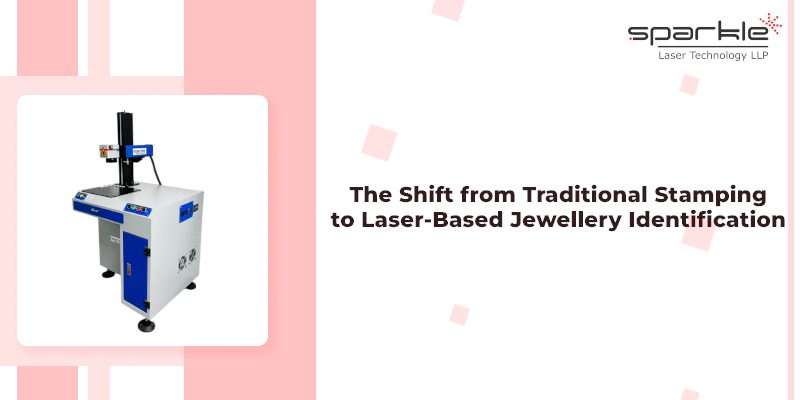
While these conventional techniques have served the industry for many years, the demands of modern jewellery manufacturing have changed considerably. Consumers are becoming more aware of authenticity and traceability, while manufacturers are producing increasingly intricate designs that require exceptional precision. As a result, the industry is witnessing a gradual transition from manual and mechanical stamping methods to advanced jewellery laser marking technologies.
This shift is not simply about replacing one process with another. It represents a broader evolution toward greater precision, better consistency, improved traceability, and enhanced customer confidence.
Why Identification Has Always Been Essential in Jewellery
Jewellery identification has long played a critical role in maintaining trust between manufacturers, retailers, and consumers. Buyers want reassurance that the gold or silver jewellery they purchase meets established quality standards and contains the purity level being claimed.
Identification also provides valuable information that remains associated with the product throughout its lifecycle.
Important details commonly include:
- Purity information
- Hallmark identification
- Manufacturer details
- Product authenticity
- Traceability records
These markings help establish credibility and support transparency across the jewellery industry. As consumer awareness continues to grow, reliable identification has become more important than ever before.
Understanding Traditional Stamping Methods
Traditional stamping has been used for generations to create identification marks on jewellery surfaces. This process generally involves applying physical pressure through punches or mechanical tools to imprint symbols or information onto precious metals.
Historically, stamping has been used for:
- Hallmarks
- Purity marks
- Manufacturer symbols
- Identification codes
- Decorative impressions
For many years, this approach was sufficient because jewellery designs were comparatively simple and production requirements were relatively modest.
However, modern jewellery manufacturing demands greater accuracy, finer detailing, and improved repeatability. These changing requirements have exposed some limitations associated with conventional methods.
Limitations of Conventional Stamping Techniques
Although traditional stamping remains familiar to many jewellers, maintaining consistency can become challenging, particularly when working with delicate or highly detailed designs.
Manufacturers frequently encounter issues such as:
- Inconsistent impressions
- Limited marking detail
- Surface distortion risks
- Manual dependency
- Difficulty maintaining uniformity
- Reduced flexibility for intricate designs
These limitations become increasingly noticeable as jewellery pieces become smaller and more sophisticated. Even slight variations in marking quality can affect the appearance and overall perception of the finished product.
Because jewellery often represents emotional and financial value, customers expect flawless craftsmanship. This has encouraged manufacturers to adopt technologies capable of delivering greater precision and repeatability.
From Craftsmanship to Digital Precision
Jewellery making has always been deeply rooted in artistry and craftsmanship. Skilled craftsmen continue to play an important role in creating unique designs and preserving traditional techniques.
However, the jewellery industry has also embraced technological innovation to meet the demands of modern consumers. The transition toward digital precision allows manufacturers to maintain the beauty and craftsmanship associated with traditional jewellery while improving efficiency and consistency.
Today’s customers expect:
- Exceptional finishing
- Reliable authenticity
- Detailed personalization
- High-quality craftsmanship
- Long-lasting value
Meeting these expectations requires identification methods that combine precision with flexibility.
This is one of the reasons why jewellery laser marking has gained significant importance in recent years.
Why the Industry Is Moving Towards Jewellery Laser Marking?
Modern jewellery manufacturing places tremendous emphasis on quality and aesthetics. Unlike conventional stamping methods, jewellery laser marking enables highly detailed markings to be created without compromising the beauty of the product.
Laser-based identification supports:
- Permanent marking
- Precision engraving
- High-detail inscriptions
- Better consistency
- Long-term readability
- Improved repeatability
These advantages have made laser engraving increasingly attractive for manufacturers seeking to maintain premium standards while supporting modern production requirements.
As jewellery designs become more intricate, the ability to create precise markings without affecting delicate surfaces becomes even more valuable.
Preserving Delicate Jewellery Surfaces
Maintaining the appearance of precious metals is one of the biggest priorities in jewellery manufacturing. Gold and silver jewellery often feature highly polished finishes and intricate details that require careful handling.
Traditional methods can sometimes introduce mechanical stress to the surface, particularly when working with fine jewellery components. As designs become lighter and more sophisticated, preserving aesthetics becomes increasingly important.
Laser engraving offers manufacturers greater flexibility because it allows detailed markings to be created while maintaining the integrity of the jewellery piece.
This is especially beneficial for:
- Rings
- Pendants
- Bracelets
- Chains
- Customized jewellery
- Premium collections
By preserving delicate surfaces while providing permanent marking capabilities, laser-based identification helps manufacturers maintain both beauty and functionality.
Precision Has Become More Important Than Ever
Today’s jewellery industry is driven by precision. Customers expect flawless finishing, while manufacturers strive to maintain high-quality standards across every piece they produce.
Precision engraving helps achieve:
- Fine-detail markings
- Enhanced aesthetics
- Improved readability
- Greater consistency
- Better quality control
These advantages are particularly important for premium jewellery products, where even the smallest details contribute to customer perception and brand reputation.
As jewellery manufacturing continues to evolve, precision is no longer considered a luxury. It has become an essential requirement for maintaining competitiveness and delivering exceptional craftsmanship.
Growing Importance of Hallmark Identification
As the jewellery industry continues to evolve, hallmark identification has become increasingly important for both consumers and manufacturers. Buyers today are more informed than ever before. They actively seek information regarding purity standards, authenticity, and certification before making purchasing decisions.
Modern consumers often pay attention to:
- Purity verification
- Hallmark details
- Product authenticity
- Manufacturer information
- Traceability records
This growing awareness has encouraged jewellery businesses to place greater emphasis on accurate identification systems. Clear and reliable markings not only help verify product quality but also contribute significantly to customer confidence.
For manufacturers, effective hallmark identification strengthens credibility and helps establish long-term trust within the marketplace.
Supporting Traceability in Modern Jewellery Manufacturing
Traceability has become one of the most important topics across multiple industries, and the jewellery sector is no exception. As supply chains become more sophisticated, manufacturers require better methods of tracking products throughout their lifecycle.
Reliable identification helps businesses:
- Track product movement
- Verify authenticity
- Manage inventory efficiently
- Improve quality assurance
- Maintain accurate records
Laser-based identification technologies support these objectives by creating highly precise and permanent markings that remain associated with the jewellery throughout its lifespan.
As regulatory requirements and consumer expectations continue to increase, traceability is expected to play an even greater role in the future of jewellery manufacturing.
Meeting the Expectations of Modern Consumers
The modern jewellery buyer values far more than appearance alone. While design and craftsmanship remain important, customers increasingly seek reassurance regarding authenticity and transparency.
Consumers now look for jewellery that offers:
- Verified purity
- Reliable identification
- Personalized details
- Brand credibility
- Long-term value
These expectations have influenced how jewellery manufacturers approach production and identification processes.
Laser engraving helps businesses meet these expectations by enabling highly detailed markings that enhance both functionality and customer confidence.
Personalization Is Creating New Opportunities
Personalized jewellery continues to experience significant growth worldwide. Consumers increasingly prefer products that reflect personal stories, milestones, and memories.
Popular personalization requests include:
- Names
- Initials
- Special dates
- Meaningful messages
- Customized artwork
Meeting these requests requires exceptional accuracy and consistency.
Modern laser engraving technologies allow manufacturers to create highly detailed personalization while preserving the overall aesthetics of the jewellery. This capability provides businesses with opportunities to offer unique products that appeal to changing consumer preferences.
As personalization continues to grow, advanced engraving technologies are becoming increasingly valuable within the jewellery industry.
Strengthening Brand Identity Through Fine Detail
Brand identity has become a powerful differentiator within the jewellery market. Customers often associate fine detailing and precise finishing with superior craftsmanship.
Subtle identification elements can help manufacturers strengthen brand recognition through:
- Signature engravings
- Brand logos
- Decorative patterns
- Product identification codes
- Custom design elements
These details may appear small, but they contribute significantly to how consumers perceive product quality.
For premium jewellery brands, maintaining consistency across every product is essential for building long-term customer trust and loyalty.
Why Jewellery Workshops Are Embracing Modern Technology?
Jewellery workshops are constantly searching for ways to improve quality, efficiency, and consistency. While traditional craftsmanship remains highly valued, modern technologies are helping businesses meet growing production demands while maintaining exceptional standards.
Laser-based identification offers several advantages that align with these goals.
Manufacturers benefit from:
- Greater precision
- Better consistency
- Enhanced repeatability
- Improved readability
- Reduced manual variations
These benefits allow workshops to maintain quality while adapting to evolving market requirements.
As jewellery production becomes increasingly sophisticated, more businesses are integrating advanced technologies into their operations.
The Future of Jewellery Identification
The jewellery industry is entering a new era where authenticity, transparency, and precision are becoming central to business success. Consumers expect greater confidence in the products they purchase, while manufacturers require solutions capable of supporting modern production requirements.
Future developments are expected to focus on:
- Enhanced traceability
- Improved authentication
- Greater personalization
- Better quality assurance
- Digital integration
Laser-based identification technologies are well positioned to support these developments while preserving the craftsmanship that continues to define fine jewellery.
As the industry continues to evolve, identification will become more than a regulatory requirement. It will play an increasingly important role in protecting authenticity, strengthening trust, and enhancing customer experiences.
Conclusion
The jewellery industry has come a long way from traditional stamping methods. While conventional techniques played an important role in establishing authenticity and trust, modern manufacturing requires greater precision, consistency, and flexibility.
Jewellery laser marking represents a natural progression toward more advanced identification solutions. By supporting permanent marking, precision engraving, product authentication, and personalization, laser-based technologies are helping manufacturers meet the expectations of today’s consumers while preserving the artistry that makes jewellery unique.
As traceability, transparency, and customization continue to shape the future of the industry, laser-based identification will remain an important tool for strengthening trust, improving quality, and enhancing the overall customer experience.
Frequently Asked Questions
Why are traditional stamping methods becoming less common?
Traditional stamping methods can struggle to deliver the consistency and precision required for modern jewellery designs. Laser-based technologies provide greater accuracy and improved repeatability.
What is jewellery laser marking?
Jewellery laser marking is a process that creates highly detailed and permanent markings on precious metal surfaces without compromising their appearance.
Why is precision engraving important in jewellery manufacturing?
Precision engraving allows manufacturers to create detailed identification marks while maintaining the aesthetics and craftsmanship of delicate jewellery pieces.
How does laser-based identification support traceability?
Permanent identification markings help manufacturers and retailers track products more effectively while supporting authenticity and quality assurance efforts.
Can laser engraving be used for personalized jewellery?
Yes. Laser engraving is widely used for names, initials, special dates, customized messages, and other personalized design elements.