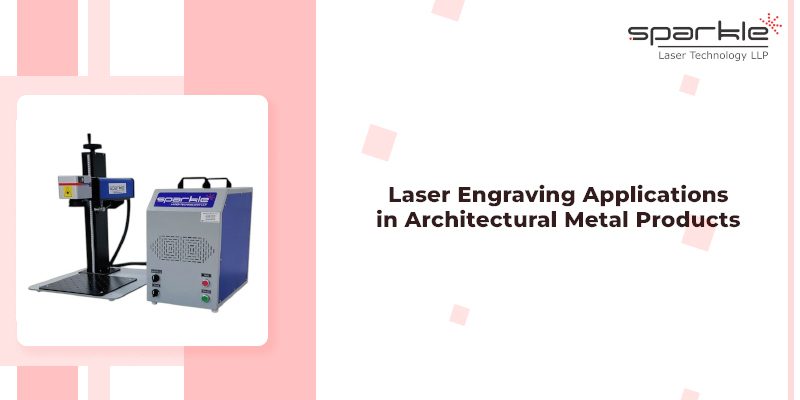
Architecture today is about much more than creating functional structures. Modern buildings are expected to combine durability, aesthetics, innovation, and brand identity into a single design language. From commercial towers and luxury hotels to airports, hospitals, shopping centres, and residential developments, metal has become one of the most widely used materials in contemporary architecture.
Architects and designers increasingly rely on stainless steel, aluminium, brass, and other metals to create visually striking structures that stand the test of time. However, beyond the material itself, the finishing details often determine whether a project appears ordinary or exceptional.
This is where laser engraving has become an important part of modern architectural metal design. It allows designers and manufacturers to create detailed patterns, branding elements, decorative finishes, and permanent identification markings directly on metal surfaces without compromising quality or appearance.
As architectural projects continue to become more sophisticated, metal engraving is helping bridge the gap between functionality and design.
The Growing Role of Metal in Modern Architecture
Walk through any modern commercial building, and you’ll notice metal everywhere.
It is commonly used in:
- Building facades
- Decorative panels
- Elevator interiors
- Signage systems
- Handrails
- Architectural screens
- Wall cladding
- Reception areas
- Ceiling installations
- Public infrastructure projects
Metal remains popular because it offers:
- Durability
- Corrosion resistance
- Structural strength
- Design flexibility
- Premium appearance
However, as architectural expectations continue to rise, simple metal surfaces are no longer enough. Designers now look for ways to create unique visual identities while maintaining the durability that metal products provide.
Why Laser Engraving Is Becoming Popular in Architecture?
Architectural projects often require customised designs that cannot be achieved through standard manufacturing processes.
Laser engraving allows manufacturers to add:
- Decorative patterns
- Company branding
- Building identification
- Directional information
- Artistic elements
- Custom textures
Unlike surface printing or temporary coatings, engraved details become a permanent part of the metal surface.
This makes laser engraving particularly attractive for architectural applications where long-term durability is essential.
Creating Premium Architectural Aesthetics
Every architectural project tells a story. The materials, finishes, textures, and design details all contribute to the overall visual experience.
Precision engraving helps architects create:
- Elegant surface finishes
- Contemporary visual effects
- Custom decorative elements
- Unique architectural features
- Premium design details
Whether it is a luxury hotel entrance or a corporate office lobby, engraved metal surfaces can significantly enhance the perceived quality of a space.
This is one of the reasons why stainless steel engraving has become increasingly common in modern architectural projects.
Decorative Metal Panels and Facades
Decorative panels have become a defining feature of contemporary architecture.
Laser engraving allows designers to create:
- Geometric patterns
- Abstract artwork
- Cultural motifs
- Custom branding elements
- Decorative textures
These engraved designs can transform ordinary metal sheets into visually appealing architectural features. Because the engraving is permanent, the design remains visible for years without fading or peeling. For large commercial developments, this provides both durability and design flexibility.
Architectural Signage and Wayfinding Systems
Modern buildings require clear navigation systems that help visitors move through spaces efficiently.
Metal signage is widely used because it offers:
- Professional appearance
- Long-term durability
- High visibility
- Resistance to environmental conditions
Laser engraving helps create:
- Building directories
- Room numbers
- Directional signs
- Emergency information
- Accessibility signage
The precision of the process ensures consistent readability while maintaining an attractive appearance.
Elevator Panels and Interior Metal Features
Elevators are often one of the most frequently used spaces within commercial buildings.
Developers increasingly use engraved stainless steel panels to enhance:
- Elevator interiors
- Control panels
- Decorative wall surfaces
- Cabin aesthetics
Laser engraving stainless steel allows detailed graphics, logos, and decorative elements to be incorporated directly into the design.
This helps create a more premium and sophisticated environment for occupants and visitors.
Permanent Marking for Architectural Products
Many architectural metal products require permanent identification throughout their lifecycle.
Manufacturers often use identification marking for:
- Product specifications
- Compliance information
- Installation references
- Asset tracking
- Maintenance records
Permanent marking ensures this information remains visible without affecting the overall appearance of the product.
This is particularly important in large infrastructure and commercial projects where long-term maintenance is required.
Stainless Steel Engraving in Modern Construction
Stainless steel remains one of the most preferred materials in architectural applications.
It is commonly selected because of its:
- Corrosion resistance
- Strength
- Clean appearance
- Long service life
Stainless steel engraving allows designers to add customised visual elements while preserving these advantages.
This combination of aesthetics and durability makes it suitable for both interior and exterior architectural applications.
Supporting Brand Identity Through Architectural Design
Many commercial projects incorporate branding directly into the building environment.
Laser engraving helps create:
- Corporate logos
- Brand messaging
- Decorative identity elements
- Customized architectural features
These details strengthen brand recognition while creating a cohesive visual experience throughout the property.
For hotels, retail stores, corporate offices, and public facilities, architectural branding has become an increasingly important design consideration.
Consistency Across Large Architectural Projects
Large construction projects often involve hundreds or even thousands of metal components.
Maintaining consistent quality across all elements is essential.
Laser engraving supports:
- Uniform design reproduction
- Precise detailing
- Repeatable quality
- Consistent finishing standards
This helps ensure architectural designs are executed accurately from concept to completion.
Why Precision Matters in Architectural Metal Design?
Architectural projects are often judged by their details.
Even minor inconsistencies can affect the overall appearance of a finished structure.
Precision engraving allows manufacturers to achieve:
- Sharp detailing
- Accurate pattern reproduction
- High-quality finishes
- Consistent design execution
This level of control is one of the main reasons laser engraving continues to gain popularity within the architectural industry.
Future Trends in Architectural Metal Products
As architecture continues to evolve, demand for customised metal products is expected to increase.
Future trends include:
- Personalised building features
- Artistic metal installations
- Advanced architectural branding
- Sustainable design solutions
- Premium decorative finishes
Laser engraving is well positioned to support these developments by providing flexibility, durability, and design freedom.
Conclusion
Architectural metal products play a major role in shaping the appearance and identity of modern buildings. As designers continue to seek new ways to combine functionality with aesthetics, laser engraving has emerged as an effective solution for creating permanent, high-quality design elements on metal surfaces.
From decorative facades and signage systems to elevator interiors and architectural branding, metal engraving allows manufacturers and designers to achieve precision, durability, and visual impact simultaneously. As architectural trends continue to evolve, laser engraving will remain an important part of creating distinctive and long-lasting metal products.
Frequently Asked Questions
1. What is laser engraving in architectural metal products?
Laser engraving is a process used to create permanent designs, patterns, text, and markings directly on metal surfaces used in architectural applications.
2. Why is stainless steel engraving popular in architecture?
It provides long-lasting decorative and functional markings while maintaining the durability and appearance of stainless steel.
3. Can laser engraving be used on architectural signage?
Yes. Laser engraving is commonly used for building directories, wayfinding systems, room identification, and branded signage.
4. Does laser engraving fade over time?
No. Properly engraved markings become part of the metal surface and remain visible for many years.
5. What architectural products commonly use laser engraving?
Decorative panels, facades, elevator interiors, signage systems, railings, screens, and branded architectural elements frequently use laser engraving.