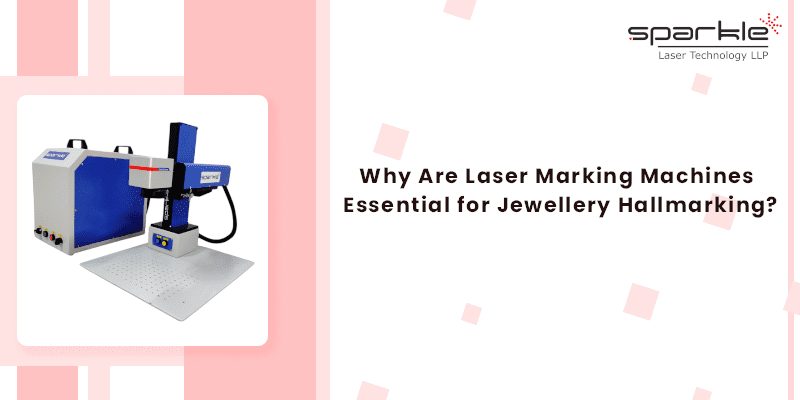
Jewellery hallmarking has become a fundamental part of the modern jewellery industry. With increasing awareness among customers about purity and authenticity, hallmarking is no longer optional; it is a necessity. It serves as proof that a piece of jewellery meets specific quality standards, particularly in terms of metal purity.
As jewellery designs become more intricate and customer expectations continue to rise, traditional marking methods are no longer sufficient to meet industry requirements. This is where advanced laser marking technology plays a critical role. Laser marking machines provide the level of precision, permanence, and reliability required for accurate hallmarking on precious metals like gold and silver.
What is a Laser Marking Machine?
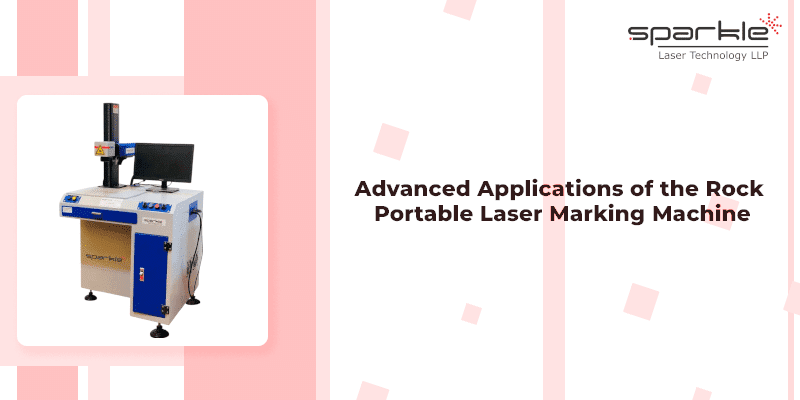
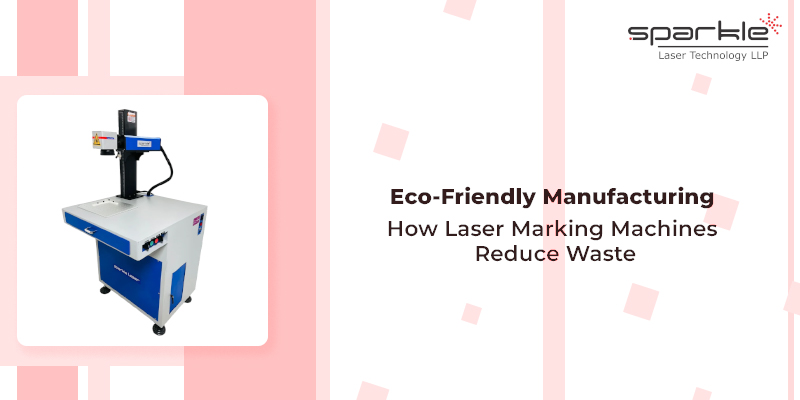
A laser marking machine uses a highly focused beam of light to create permanent marks on a material surface. Unlike traditional engraving methods, it does not require physical contact, which ensures a clean and controlled process.
The laser marking process works by altering the surface properties of the material, allowing for:
- Fine and detailed engravings
- Consistent marking depth
- High contrast for better readability
Because of this controlled process, laser marking is widely used in industries where precision is critical, especially in jewellery hallmarking where accuracy cannot be compromised.
Importance of Jewellery Hallmarking
Jewellery Hallmarking is the process of imprinting essential information on jewellery to certify its authenticity and quality. These markings act as a guarantee for customers and a standard for manufacturers.
The hallmark typically includes:
- Purity level (e.g., 22K, 18K)
- Certification or hallmark symbol
- Manufacturer or jeweller identification
- Year or batch information
Each of these details must be clearly visible and accurately placed. Since jewellery pieces are often small and valuable, even a minor marking error can reduce credibility and affect customer trust. This is why a precise and reliable marking method is essential.
Why Precision Matters in Jewellery Hallmarking?
Jewellery hallmarking requires extremely fine and accurate markings. Since jewellery pieces often have limited space, the markings must be small yet clearly readable.
Laser marking technology ensures:
- Micro-level detailing without affecting design
- Sharp and clear markings even on curved surfaces
- Consistency across multiple jewellery pieces
This level of precision helps maintain the aesthetic appeal of jewellery while ensuring that hallmark information remains visible and reliable.
Permanent and Durable Marking
One of the most important aspects of hallmarking is durability. The markings must remain intact throughout the life of the jewellery, even with regular use and exposure.
Laser marking provides long-lasting results by creating marks that are deeply integrated into the surface. This ensures:
- Resistance to fading over time
- Protection against scratches and wear
- Clear visibility even after prolonged use
This durability makes laser marking highly suitable for precious metals like gold and silver, where long-term quality is essential.
Non-Contact Process for Delicate Jewellery
Gold and silver are soft metals, and jewellery designs are often intricate and delicate. Traditional engraving methods that involve physical contact can sometimes damage the surface or distort fine details.
Laser marking eliminates this risk through a non-contact process, which offers:
- No pressure applied on the material
- Preservation of delicate designs and structures
- Smooth and clean marking without deformation
This makes it an ideal solution for high-value jewellery pieces where maintaining original design integrity is crucial.
Consistency and Efficiency in Production
In jewellery manufacturing, consistency is just as important as precision. Each piece must meet the same quality standards, especially when it comes to hallmarking.
Laser marking machines ensure:
- Uniform marking across all products
- Reduced chances of human error
- Faster processing for large batches
This improves production efficiency while maintaining high-quality output, making it suitable for both small-scale and large-scale jewellery production.
The Laser Marking Process in Jewellery
The laser marking process involves directing a concentrated beam onto the metal surface. The laser energy interacts with the material, creating a visible and permanent mark without removing excessive material.
This process allows for:
- Precise control over marking depth
- High clarity and contrast in markings
- Ability to mark complex and fine designs
Because of these capabilities, laser marking is widely used for precision laser marking in jewellery applications.
Comparison with Traditional Engraving Methods
Traditional engraving methods often rely on manual or mechanical tools, which can lead to inconsistencies and potential damage to delicate materials.
Laser marking offers several improvements:
- Greater accuracy compared to manual engraving
- Faster and more efficient processing
- Minimal risk of surface damage
These advantages make laser technology a more reliable and modern solution for jewellery hallmarking.
Applications of Laser Marking in Jewellery
Laser marking is used across various stages of jewellery production, not just for hallmarking. Its versatility allows manufacturers to enhance both functionality and design.
Common applications include:
- Hallmarking on gold and silver
- Branding and logo engraving
- Serial number and identification marking
- Custom design detailing
This flexibility makes laser marking an essential tool for modern jewellery manufacturing processes.
Advantages of Laser Marking Machines
Laser marking machines provide multiple benefits that make them ideal for jewellery applications. They combine precision, speed, and durability in a single process.
Key advantages include:
- High precision for detailed marking
- Permanent and tamper-resistant results
- Non-contact process for delicate materials
- Consistent output across multiple pieces
These features ensure that jewellery meets both industry standards and customer expectations.
Precision in Modern Jewellery Hallmarking
Today, jewellery designs are becoming more detailed and compact, which makes hallmarking more challenging than before. The marking needs to be clear and properly placed without affecting the overall look of the jewellery.
Because of this, the focus has shifted towards precision. Manufacturers need marking methods that can create clean and readable marks even on very small surfaces.
Accurate marking not only maintains quality but also helps build customer trust, which is very important in the jewellery industry.
Conclusion
Jewellery hallmarking plays a critical role in ensuring authenticity and building customer trust. As the industry evolves, the need for precision and reliability continues to grow.
Laser marking machines provide an advanced solution that meets these requirements effectively. Their ability to create permanent, accurate, and high-quality markings makes them an essential part of modern jewellery manufacturing.
Frequently Asked Questions (FAQs)
1. What is the purpose of a laser marking machine?
It is used to create permanent and precise markings on materials like metal for identification and certification.
2. Does laser engraving work on gold?
Yes, laser engraving works effectively on gold and is commonly used for hallmarking and customization.
3. What are the advantages of laser marking in jewellery?
It offers precision, durability, consistency, and a non-contact process that protects delicate jewellery.
4. What is the laser marking process?
It is a method where a laser beam alters the surface of a material to create permanent markings.
5. Is laser marking better than traditional engraving?
Yes, it provides more accurate, faster, and long-lasting results compared to traditional methods.