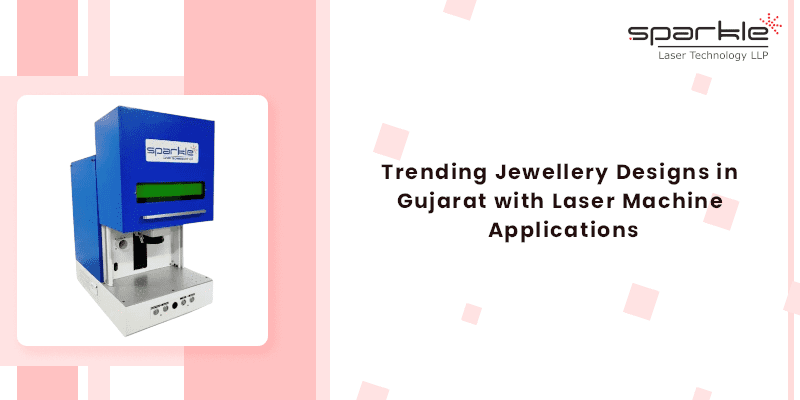
For centuries, the jewellery made in Gujarat has been some of the most influential in India’s history. Cities such as Rajkot, Surat and Ahmedabad have developed a strong reputation for blending traditional craftsmanship with modern manufacturing methods. The craftsmanship in these cities includes intricate Kundan work and beautiful Meenakari designs, and many of these designs have remained unchanged throughout the history of jewellery making.
However, the modern-day jewellery market is changing. The demand of today’s consumers is extremely different from those who have purchased jewellery for many decades. While traditional jewellery has always appealed to consumers, modern consumers want lightweight, unique and intricately detailed jewellery that shows their personality at a reasonable price.
As a result of these changes in the preferences of modern consumers, manufacturers have begun using laser technology as an integral part of their manufacturing processes.
Using laser machines, jewellers can create highly precise patterns, engravings and cuts that previously were very difficult to create manually.
Laser technology increases manufacturing efficiency, reduces the amount of raw materials required to make jewellery and also provides for the mass customization of jewellery. As technology continues to progress and consumers continue to demand lower cost, more customised jewellery, the manufacture of jewellery with the assistance of laser technology will become the primary method of producing jewellery in the modern jewellery industry in Gujarat.
This blog post provides a look at some of the current jewellery design trends that are taking place in Gujarat.
How Laser Machinery is Changing the Manufacturing of Jewellery?
The use of laser technology in the jewellery industry is changing the way products are manufactured by introducing precision, speed and repeatability into processes that used to be done by hand.
Benefits of Laser Technology
1. Extremely High Accuracy
Laser beams allow for the cutting and engraving of very small detail sizes, even on soft materials like gold or silver. This makes it possible to create very small patterns, designs, and lettering.
2. Reduced Waste
By making precise cuts, manufacturers use less of their precious metals (gold, platinum) than with traditional cutting methods. They have much less scrap material when using laser machines than when using other methods.
3. Quicker Production Times
Manual labour is greatly reduced when using laser machines to create intricately detailed pieces of jewellery that would take hours to complete by hand. This allows for shorter turn-around times during production.
4. Reliable Consistent Quality Across Large Batches
Each piece of jewellery that is produced with laser technology consistently has the same level of quality and accuracy, which is critical in mass production.
5. Increased Flexibility for Customization
Through the use of laser technology, it is now much easier to create custom-made jewellery like name pendants, couples rings and individually designed bracelets without needing to go through a lot of manual adjustments.
Laser Machines Types in the Jewellery Industry
Fiber Laser Cutting Machine
To cut complicated designs and thin or lightweight items.
Laser Engraving Machine
For engraving fine details into surfaces and engraving patterns, textures, and writing.
Laser Marking Machine
To mark a company’s name, logo, or serial number on products.
Laser Welding Machine
To join the pieces of jewellery with an invisible joint to fix or assemble them together without leaving any visible trace of having joined them.
Gujarat’s Popular Laser-Cut Jewellery Designs
1. Stripped Gold Laser-Cut Pendants
Minimalist jewellery is becoming increasingly popular among younger generations in Gujarat. The geometric shapes, letters and symbols involved in minimalist jewellery design have a simplistic elegance that appeals to people who want versatile jewelry they can wear on a daily basis.
Using a laser cutter, jewelry makers can accurately create the precise edges and middle surfaces of intricate outlines and designs as well as make very fine cuts into the metal without damaging the overall piece.
These laser-cut necklaces are physically light on the wearer’s body, inexpensive to make, and appropriate for everyday use.
Popular styles of laser-cut pendants include:
- Letters from the alphabet
- Hearts and infinity signs
- Geometric circles and triangles
- Religious symbols
- Animals found in nature
The use of lasers also helps to finish the edges smoothly, creating a more refined product.
2. Intricate Filigree Earrings
Filigree-style jewelry has a long history in Indian culture and is still popular today in Gujarat for weddings and other festivals. Filigree-style jewelry uses thin lace-like metal patterns that require extensive skill and experience to create.
Laser cutting machines allow jewelry manufacturers to produce highly intricate filigree styles with both precision and consistency. Compared to traditional methods of manual jewelry-making, laser cutting significantly reduces the time needed to make filigree-style jewelry while maintaining the original complexity of the design.
Currently trending filigree earrings are:
- Floral earrings that hang below the earlobe
- Circular ear studs created from lace patterns
- Layered lace chandelier earrings
- Traditional image patterns found in Gujarat
Using lasers to cut metal also ensures that even the thinnest filigree patterns are still strong and long-lasting.
3. Name and Initial Jewellery Customized
In recent years, there has been an increased demand for personalized types of jewelry. More consumers are looking for pieces that demonstrate their individuality and hold sentimental value.
Different types of jewelry can be personalized using the laser engraving machine to create different letters, numbers, symbols, fingerprints, or special dates, and can be used to personalize even small surfaces like rings or thin bracelets.
Some examples of popular products for personalized jewelry include:
- Name necklaces
- Initial rings
- Partner bracelets
- Birth dates engraved on pendants
- Jewelry for personal gifts
When you use the laser engraving machine to create the personalization you want to, the engraving will be very clean looking, and will last for many years without fading easily.
4. Lightweight Bridal Jewelry Trends
Many brides now prefer to wear light-weight jewelry that still looks extravagant. In many cases, heavy jewelry is being replaced by lightweight jewelry made with laser cut designs that include intricate detail without the added weight.
The laser cutting equipment used to produce jewelry will allow the creation of structures that have been created to be hollow using more detailed patterns to create lighter jewelry while maintaining a luxurious quality.
Light-weight bridal jewelry is currently being worn by urban brides throughout cities such as Ahmedabad and Surat, India.
Some examples of light-weight bridal jewelry include:
- Laser-cut chokers
- Hollow pattern necklaces
- Layered bridal jewelry
- Fine detailed bangles
- Modern mangalsutra designs
5. Antique Finish Laser Engraved Bangles
In the Gujarati community, antique jewellery styles are always fashionable. Many times, traditional motifs based on cultural arts are produced using lasers to engrave these details into bangles.
Using laser engraving allows jewellers to create patterns from the same designs with great accuracy for repetitive designs on bangles. Designs created from other antique surfaces can be built upon using digital design for the purpose of creating an antique structure.
These identical antique motifs can be copied in many ways:
• Flowers
• Peacocks
• Temples
• Traditional Gujarati symbols
• Royal vintage patterns
Because of the laser machine’s ability to be used for mass producing, the product retains some of the look and feel of handmade items.
6. Temple Jewellery Detail Motifs
The cultural importance of temple jewellery is great. This jewellry is often worn during festive celebrations or special occasions such as a wedding. The designs used in temple jewellery are most often made using motifs that incorporate religious characteristics like statues or other divine creations along with traditional symbols.
The use of laser engraving allows for more repetition when creating complex replica designs; however, it also provides a tremendous level of precision. Designs that are too complex to achieve without using lasers, can be replicated repeatedly by using lasers.
The following are other common examples of temple jewellery:
• Lakshmi pendant
• Ganesh motif
• Traditional coin necklaces
• Religious bangles
• Traditional bridal sets
The use of lasers will allow for the continued level of visual richness as well as an increase of symmetry.
Applications of Laser Machines in Jewellery Industry
Laser Cutting
Laser cutting machines are used to create complex shapes and detailed patterns. They are ideal for:
- Filigree designs
- Lightweight jewellery structures
- Geometric patterns
- Thin sheet metal cutting
- Laser Engraving
Laser engraving adds decorative textures and personalized details such as:
- Names
- Dates
- Religious symbols
- Floral patterns
- Brand logos
Laser Welding
Laser welding is used for:
- Joining delicate components
- Repairing broken jewellery
- Stone setting adjustments
- Invisible joint finishing
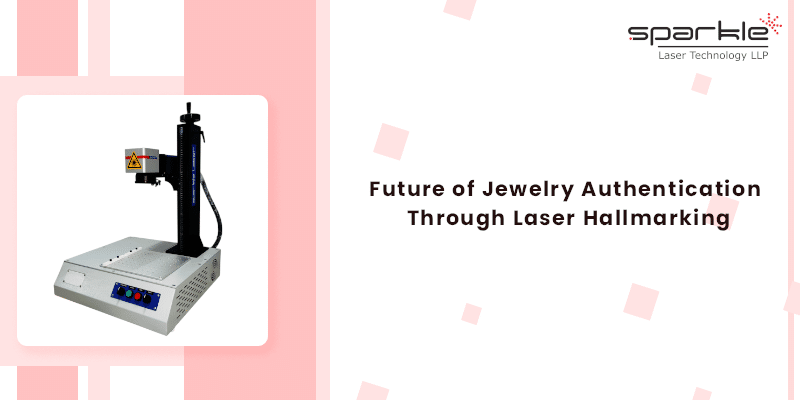
- Hallmarking & Branding
Laser marking machines are used for:
- BIS hallmark engraving
- Logo branding
- Serial numbers
- Purity markings
Laser marking ensures permanent and tamper-proof identification.
Market Demand for Laser Jewellery in Gujarat
The jewellery market in Gujarat is evolving rapidly due to changing consumer preferences. Customers are increasingly looking for designs that are:
- Lightweight
- Affordable
- Personalized
- Modern yet traditional
- Suitable for daily wear
Online jewellery brands and social media trends have increased awareness about customized jewellery options. Export markets also prefer precision-manufactured jewellery due to consistent quality standards.
Cities such as Rajkot and Surat are becoming major hubs for laser-based jewellery manufacturing due to strong infrastructure and skilled labour availability.
Benefits for Jewellery Manufacturers
Laser machines provide several operational and financial advantages:
Reduced Dependency on Manual Labour
Automation allows faster production with fewer manual processes.
Faster Design Development
Manufacturers can quickly test new designs using digital patterns.
Consistent Quality
Laser precision ensures identical results across bulk orders.
Higher Profit Margins
Reduced wastage leads to improved cost efficiency.
Ability to Serve Premium Markets
High-quality finishing helps manufacturers target export markets and premium customers.
Future Trends in Laser Jewellery Design
The future of jewellery manufacturing is closely linked with technological innovation.
AI-Based Jewellery Design
Artificial intelligence tools are helping designers create new pattern concepts faster.
Ultra-Light Jewellery Structures
Advanced laser cutting enables extremely thin yet durable designs.
3D Surface Texturing
Laser technology allows micro-texture patterns that enhance visual appeal.
Sustainable Jewellery Manufacturing
Reduced wastage makes laser technology environmentally friendly.
Hyper-Personalization
Customers can customize jewellery designs online before manufacturing. These innovations are expected to increase the adoption of laser machines across small and large jewellery manufacturers.
Final Thoughts
The application of laser technology is greatly impacting the transformation of Gujarat’s jewellery industry. Laser machine technology allows for intricate, lightweight, and custom pieces created in accordance with consumer preferences in a contemporary setting.
Laser Machines create exact and identical results from pieces such as minimalist pendants to traditional temple-style jewellery, allowing for greater output, less waste and greater flexibility in designing items.
With the increasing desire for customisation and light weight products, laser technology will continue to be the primary means of innovation in Gujarat’s jewellery industry.
Companies using laser machines as a tool today will be in a position to accommodate future market requirements and remain competitive in the domestic and global marketplace.
Frequently Asked Questions (FAQs)
1. What is laser technology in jewellery manufacturing?
Laser technology uses focused light beams to cut, engrave, weld, and mark jewellery with high precision. It helps create intricate designs quickly while reducing metal wastage and improving consistency.
2. Which jewellery designs are best made using laser machines?
Filigree patterns, name pendants, lightweight bridal jewellery, antique engraved bangles, and geometric minimalist jewellery are commonly produced using laser cutting and engraving machines.
3. Why is laser-cut jewellery becoming popular in Gujarat?
Consumers prefer lightweight, modern, and customized jewellery. Laser machines allow manufacturers in Gujarat to produce intricate designs efficiently at competitive costs.
4. What are the advantages of laser engraving in gold jewellery?
Laser engraving provides precise detailing for names, logos, dates, and patterns. It creates permanent markings without damaging the jewellery surface.
5. Is laser jewellery durable compared to handmade jewellery?
Yes, laser jewellery maintains high durability due to precise cutting and strong welding techniques. Laser technology ensures clean edges and consistent structural strength.