Stone has always been associated with durability, craftsmanship, and premium design. From granite and marble to slate, natural stone products are used for monuments, plaques, interior décor, memorial products, countertops, and personalized gifts. However, plain stone surfaces can often look incomplete without a distinctive design, name, message, logo, or decorative element.
Laser marking provides manufacturers and stone-processing businesses with a controlled way to personalize suitable stone surfaces without relying entirely on traditional engraving methods. A focused laser can create detailed marks, text, patterns, logos, and images directly on the surface, allowing businesses to turn standard stone products into customized pieces.
This capability is particularly useful for businesses handling customized orders, where every product may require different artwork or information. Instead of producing a separate physical engraving tool for every design, digital artwork can be prepared and adjusted according to the customer’s requirements.
Why Personalization Matters for Stone Products?
Stone products are naturally durable, but personalization can give them a stronger visual and commercial value. A simple stone plaque can become a customized award, while a plain memorial stone can carry a name, date, message, or meaningful design.
For manufacturers, personalization also creates opportunities to serve customers looking for products that are different from standard designs. Customized stone products can be produced for both individual customers and commercial projects.
Personalization can be used for names, dates, company logos, memorial messages, decorative patterns, artwork, images, product identification, architectural designs, and custom inscriptions.
The ability to reproduce these details accurately is important because stone products are often purchased for long-term use. The marking needs to complement the material rather than making the finished product look uneven or poorly finished.
How Laser Marking Works on Stone Surfaces?
Laser marking uses a focused laser beam to interact with the surface of a suitable stone material. Depending on the stone type, composition, surface finish, and desired result, the laser can create visible contrast by modifying the surface in a controlled manner. To understand the basic working principles and applications of laser marking in greater detail, manufacturers can explore this comprehensive guide to laser marking technology.
The marking process is digitally controlled, allowing manufacturers to work from prepared designs rather than manually transferring every detail onto the stone. Text, logos, graphics, and other artwork can be positioned according to the available marking area.
This makes laser marking particularly useful when manufacturers receive different personalization requirements for each order. The digital design can be changed before marking, allowing the same workflow to accommodate multiple customized products.
The final marking depends on several factors, including the type of stone, surface finish, laser system, laser power, marking speed, design complexity, desired contrast, and required marking depth.
Understanding Different Stone Marking Requirements
Not every stone surface reacts to laser marking in exactly the same way. Granite, marble, slate, and other natural stones can have different compositions, textures, colors, and finishes, which can influence the appearance of the final mark.
For this reason, manufacturers should evaluate the material and test representative samples before moving into regular production. A sample test allows the operator to determine suitable parameters and confirm whether the resulting contrast and detail meet the customer’s expectations.
| Stone Surface | Potential Personalization | Important Consideration |
| Granite | Names, logos, memorial designs, plaques | Surface texture and composition can affect contrast |
| Marble | Decorative designs, names, artwork | Finish and natural patterns should be considered |
| Slate | Signs, messages, decorative graphics | Surface texture can influence marking appearance |
| Natural Stone | Custom inscriptions and designs | Testing is recommended for different stone types |
Testing helps manufacturers avoid inconsistent results when switching between different materials or surface finishes.
Personalizing Different Stone Products
Stone-processing businesses work with a wide range of products, and each application can have different personalization requirements. Laser marking can provide a flexible option for businesses that need to add detailed information or decorative designs to suitable stone surfaces.
Potential applications include:
- Stone plaques
- Memorial products
- Granite surfaces
- Marble products
- Slate items
- Awards and recognition pieces
- Decorative stone products
- Architectural stone
- Personalized gifts
- Custom signage
For example, a manufacturer producing stone plaques can add individual names, dates, logos, or messages to each order. A business creating decorative stone products can also use digital designs to add customized artwork without changing the basic manufacturing process.
Advantages of Digital Stone Personalization
Traditional stone engraving can involve considerable manual work, especially when the design changes from one product to another. Complex artwork may require additional preparation, while repeated manual processes can introduce variations between finished products.
Laser marking provides digital control that can simplify customized production. Once the artwork has been prepared, it can be adjusted, positioned, and reproduced according to the requirements of the order.
This is particularly useful for businesses handling both individual customized products and larger production batches. A manufacturer can change the digital artwork for a new customer without having to redesign the complete physical production setup.
Creating Detailed Logos and Artwork
One of the major advantages of digital laser marking is the ability to work with detailed designs. Stone products can be personalized with company logos, decorative graphics, symbols, illustrations, and other artwork where the material and laser system are suitable.
A manufacturer’s logo, for example, can be converted into a digital design and positioned on a plaque or architectural stone surface. The same process can be adapted for different products while maintaining the overall design appearance.
For customized stone products, this allows manufacturers to move beyond basic text engraving and offer more visually detailed personalization options.
Improving the Value of Plain Stone Products
A plain stone surface provides a durable base, but personalization can transform it into a product designed for a specific customer or occasion. This can be particularly valuable for manufacturers producing memorial pieces, awards, signage, gifts, and decorative products.
Instead of offering only standard designs, businesses can provide customers with personalized options that include names, messages, logos, artwork, and other details. This gives manufacturers more opportunities to differentiate their products and respond to custom orders.
The ability to personalize products digitally can also make it easier to create limited-run or one-off products without significantly changing the overall manufacturing workflow.
Choosing the Right Laser Marking Machine
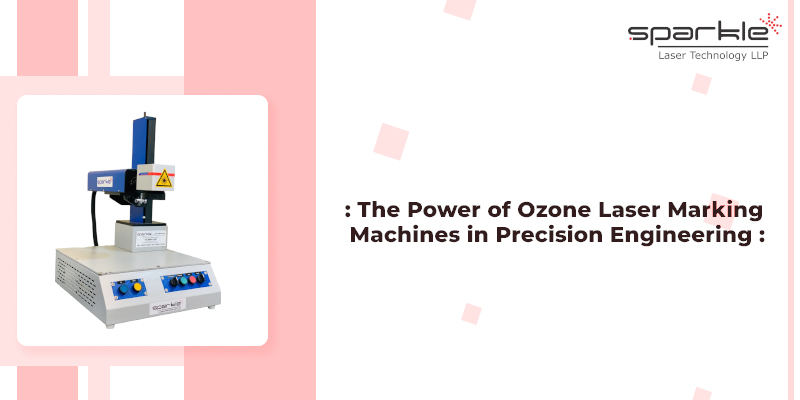
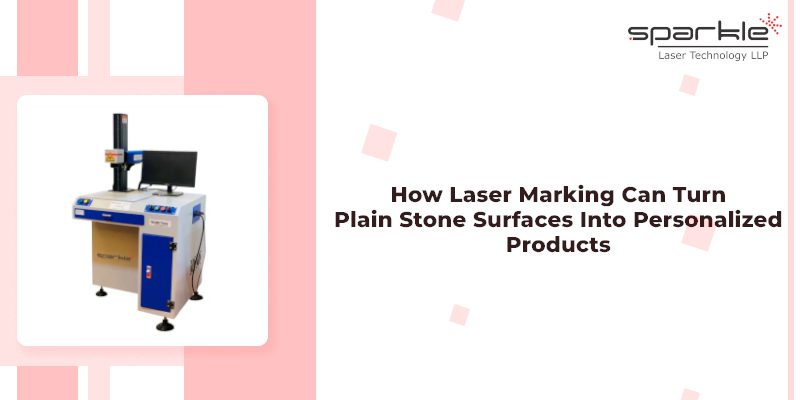
The appropriate laser marking machine for stone depends heavily on the stone material and the desired marking result. A dedicated Rock Laser Marking Machine can be used for suitable stone and rock applications, helping manufacturers create detailed and permanent markings for customized products.
Businesses should consider the types of stone being processed, average product size, required marking area, level of design detail, production volume, desired marking appearance, and required production speed.
Testing sample materials is an important step before committing to a production setup. It helps determine the appropriate laser parameters and whether the resulting contrast and appearance meet the customer’s expectations.
For businesses working with multiple stone varieties, a machine and setup that can accommodate their specific materials and production requirements can provide greater flexibility for personalized orders.
Expanding Customized Stone Product Opportunities
The demand for personalized products continues to create opportunities for manufacturers that can offer flexible customization. Customers increasingly want products that represent a person, company, event, achievement, or memory rather than standard products with limited design choices.
Laser marking can support this demand by allowing manufacturers to work with different digital designs and personalization requirements. A single production workflow can accommodate different names, logos, messages, and artwork depending on the order.
For stone-processing businesses, this flexibility can help expand product offerings while maintaining control over production quality. It can also make smaller customized orders more practical because the design can be changed digitally without requiring a completely different physical setup.
Improving Production Flexibility for Custom Orders
One of the biggest advantages of laser marking for stone products is the flexibility it provides when manufacturers handle different customer requirements. A single business may receive an order for several stone plaques, with every plaque requiring a different name, date, logo, or message.
With digitally controlled laser marking, manufacturers can adjust the design before processing each product. This makes it easier to manage customized orders without creating a separate physical engraving setup for every variation.
The same approach can also be useful for larger production batches where a common design needs to be reproduced across multiple stone products. Once the artwork and positioning have been established, the design can be repeated to maintain a consistent appearance throughout the batch.
Maintaining Consistent Marking Quality
Consistency is particularly important when producing personalized stone products for corporate customers, memorial services, architectural projects, or commercial applications. Customers expect the lettering, logos, and other details to have a professional appearance on every finished product.
Laser marking provides controlled positioning and repeatable digital designs, helping manufacturers maintain consistency between products. This can reduce variations that may occur when every design is manually transferred or engraved.
For manufacturers, consistent marking quality can also make the inspection process easier. Instead of checking every product for major differences in positioning or design reproduction, production teams can work with established digital designs and marking parameters.
Personalization for Memorial and Recognition Products
Memorial products are one area where personalization carries particular importance. Names, dates, messages, portraits, and decorative elements can turn a plain stone surface into a meaningful product designed around an individual or family.
Laser marking can provide manufacturers with the flexibility to work with different layouts and designs according to customer requirements. The same approach can also be applied to recognition products, where stone plaques and awards may contain recipient names, achievement details, company logos, or event information.
Because these products are often intended to remain in place for many years, manufacturers need to consider both the appearance of the marking and the suitability of the stone and laser parameters for the intended application.
Supporting Architectural and Commercial Applications
Stone personalization is not limited to individual customers. Businesses involved in architecture, interior design, construction, hospitality, and commercial development may also require customized stone surfaces.
Names, logos, directional information, decorative elements, and identification details can be incorporated into suitable stone products for commercial environments. This can allow manufacturers to offer more customized solutions for projects where standard stone surfaces would not provide the desired appearance or functionality.
For larger architectural projects, digital laser marking can also help manufacturers reproduce approved artwork consistently across multiple pieces. This is useful when a project requires the same visual identity across several stone surfaces.
Creating More Opportunities for Small-Batch Production
Traditional engraving processes can become less practical when manufacturers receive small orders with highly specific requirements. Preparing separate tools or setups for each design can add unnecessary preparation time, especially when the customer needs only a few products.
Digital laser marking makes these smaller orders more manageable because the design can be changed electronically. Manufacturers can move between different customer requirements without completely changing the production method.
This creates opportunities for businesses to offer:
- One-off personalized stone products
- Small batches of customized plaques
- Limited-edition stone awards
- Personalized memorial products
- Custom architectural pieces
- Branded stone products
The ability to serve both small and larger orders can help stone-processing businesses expand their customization services without depending entirely on high-volume production.
Reducing Dependence on Manual Engraving
Manual engraving requires considerable skill and attention, particularly when a design includes detailed artwork or precise lettering. The final result can vary depending on the operator, material, design complexity, and amount of time available for the work.
Laser marking introduces digital control into the process, allowing manufacturers to work from prepared artwork and maintain more consistent positioning. This does not eliminate the importance of proper material preparation or operator knowledge, but it can reduce the amount of manual work required for repeating customized designs.
For businesses receiving frequent personalization orders, this can make the overall workflow easier to manage while allowing skilled workers to focus on preparation, quality control, finishing, and other production activities.
What Manufacturers Should Consider Before Laser Marking Stone?
Choosing a laser marking solution should begin with the actual materials and products the business intends to process. Stone can vary significantly in composition, texture, color, and finish, so the same settings may not produce identical results on every surface.
Manufacturers should evaluate the material, desired marking appearance, artwork detail, product dimensions, production volume, and expected workflow before introducing laser marking into regular production.
Sample testing is particularly important. It allows manufacturers to evaluate the marking contrast and surface appearance before processing customer products and helps establish suitable parameters for the material being used.
The Growing Role of Laser Marking in Stone Personalization
Customers increasingly expect products to reflect their individual preferences, events, brands, or personal stories. For stone manufacturers, this creates a growing opportunity to move beyond standard products and provide customized designs.
Laser marking can support this shift by combining digital design flexibility with controlled surface marking. Manufacturers can accept different artwork and personalization requirements while maintaining a consistent production approach.
For businesses producing stone plaques, memorial products, awards, signage, decorative surfaces, and other customized items, this flexibility can help create additional product opportunities and serve customers who are looking for something more distinctive than a standard stone product.
Conclusion
Plain stone surfaces can become highly personalized products when manufacturers combine durable materials with carefully controlled digital marking. Names, logos, messages, artwork, dates, and other designs can give stone products a distinct identity while creating additional customization opportunities for manufacturers.
Laser marking provides the digital flexibility needed to manage both individual and larger customized orders. By preparing and adjusting designs electronically, manufacturers can handle different personalization requirements while maintaining consistent positioning and professional marking quality.
For businesses working with suitable stone materials, laser marking can be a valuable addition to their customization workflow. The right machine, material testing, and marking parameters can help manufacturers expand their product offerings while delivering personalized stone products that meet customer expectations.
Frequently Asked Questions
1. Can laser marking be used to personalize stone?
Yes, laser marking can be used on suitable stone surfaces to create names, logos, messages, artwork, dates, and other personalized designs. The final result depends on the type and characteristics of the stone and the laser parameters used.
2. What stone products can be personalized with laser marking?
Potential applications include stone plaques, memorial products, granite and marble products, slate items, awards, decorative stone products, architectural stone, personalized gifts, and custom signage.
3. Can laser marking create logos and images on stone?
Laser marking can be used for suitable stone materials to reproduce digital logos, graphics, symbols, artwork, and other designs. The level of detail and contrast depends on the material and marking setup.
4. Is laser marking suitable for small customized orders?
Yes. Because the artwork can be changed digitally, laser marking can be useful for one-off products and small batches where every item requires different personalization.
5. Does every type of stone produce the same laser marking result?
No. Different stones can have different compositions, textures, colors, and surface finishes. Testing samples before production is therefore important for determining suitable marking parameters.
6. What should manufacturers consider before choosing a laser marking machine for stone?
Manufacturers should consider the type of stone, product dimensions, marking area, design complexity, required marking appearance, production volume, and the specific laser system required for the application.