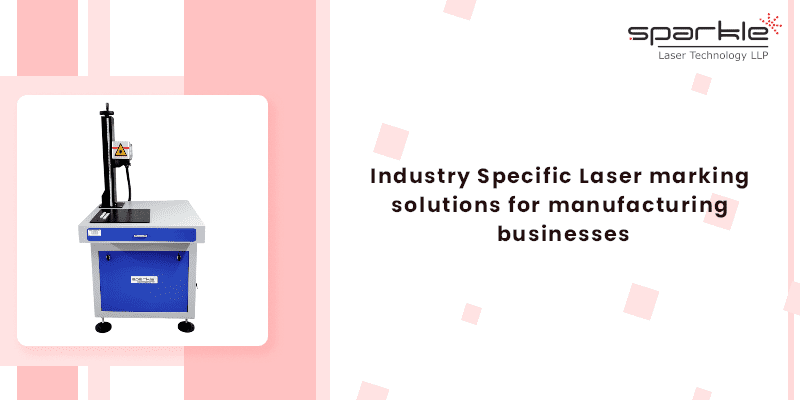
In modern manufacturing, accurate product identification and traceability are essential for maintaining quality, safety, and compliance. Industries such as automotive, aerospace, electronics, and heavy machinery rely on advanced marking technologies to label components with critical information.
One of the most effective methods used today is industrial laser marking. This technology provides precise, permanent, and high-speed marking on a wide range of materials, making it an essential solution for manufacturing businesses.
From serial numbers and barcodes to logos and QR codes, laser marking solutions help manufacturers improve product tracking and ensure long-term durability.
What is the Marking Process in Manufacturing?
The marking process in manufacturing refers to adding identification details to products or components during production. These markings may include serial numbers, barcodes, logos, or regulatory information.
Traditional methods like ink printing or labeling often wear off over time. In contrast, laser marking creates permanent marks by altering the material surface using a focused laser beam.
This ensures that the information remains readable throughout the product lifecycle, even in harsh industrial environments.
Why Industrial Laser Marking is Important?
Industrial laser marking is widely used because it offers several advantages over conventional marking methods:
- Permanent and durable markings
- High precision and accuracy
- Fast processing speed
- No consumables like ink or chemicals
- Low maintenance requirements
These benefits make laser marking ideal for industries where reliability and traceability are critical.
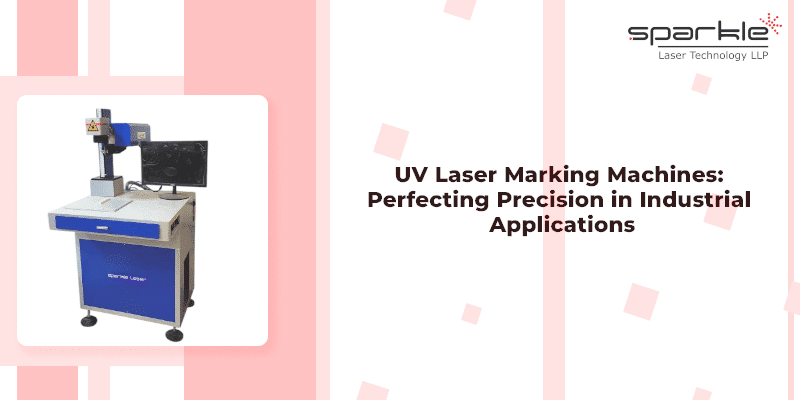
Automated Laser Marking for High-Volume Production
In large-scale manufacturing environments, speed and consistency are crucial. Automated laser marking systems are designed to integrate directly into production lines, allowing continuous marking without manual intervention.
These systems can:
- Mark products in real-time during production
- Reduce human errors
- Increase production efficiency
- Ensure consistent marking quality
Automation is especially useful in industries that require high production output, such as automotive and electronics manufacturing.
Laser Marking for Traceability
Traceability is a key requirement in many industries. Laser marking for traceability allows manufacturers to track products throughout the supply chain.
By marking components with unique identifiers such as serial numbers, barcodes, or QR codes, businesses can:
- Monitor product movement
- Identify defects quickly
- Improve quality control
- Meet regulatory standards
Traceability is especially important in industries where product safety and compliance are critical.
Laser Marking for Automotive Industry
The automotive sector relies heavily on laser marking for automotive applications to ensure product identification and safety.
Common uses include:
- Marking engine parts and components
- Adding serial numbers for tracking
- Engraving barcodes and QR codes
- Branding parts with company logos
Laser marking ensures that these markings remain intact even under extreme conditions such as heat, friction, and exposure to chemicals.
Aerospace Laser Marking Applications
In the aerospace industry, precision and reliability are extremely important . Aerospace laser marking is used to mark critical components with identification codes and regulatory information.
Applications include:
- Marking aircraft components
- Engraving identification numbers
- Ensuring compliance with industry standards
Laser marking is preferred in aerospace because it does not damage the material while providing highly accurate and permanent markings.
Advantages of Laser Marking Solutions in Manufacturing
Modern laser marking solutions offer several benefits for manufacturing businesses:
Permanent Marking
Laser marking creates permanent marks that do not fade, peel, or wear off.
High Accuracy
Laser systems produce detailed markings, even on small components.
Versatility
Laser marking works on materials such as:
- Metal
- Plastic
- Ceramic
- Glass
- Leather
Cost Efficiency
Since no consumables are required, operational costs are reduced over time.
Conclusion
Laser marking has become a critical technology for modern manufacturing businesses. With its ability to deliver precise, permanent, and efficient markings, it supports product identification, traceability, and compliance across multiple industries.
From industrial laser marking to automated laser marking systems, manufacturers can improve productivity while maintaining high-quality standards. As industries continue to demand better traceability and durability, laser marking solutions will play an even more important role in the future of manufacturing.
FAQs
1. What is industrial laser marking?
Industrial laser marking is a process that uses laser technology to create permanent markings on materials for identification, tracking, and branding purposes.
2. What is the marking process in manufacturing?
The marking process in manufacturing involves adding identification details such as serial numbers, barcodes, or logos to products during production.
3. Why is laser marking used for traceability?
Laser marking provides permanent and readable markings that help manufacturers track products throughout the supply chain.
4. Can laser marking be automated?
Yes, automated laser marking systems can be integrated into production lines for high-speed and consistent marking.