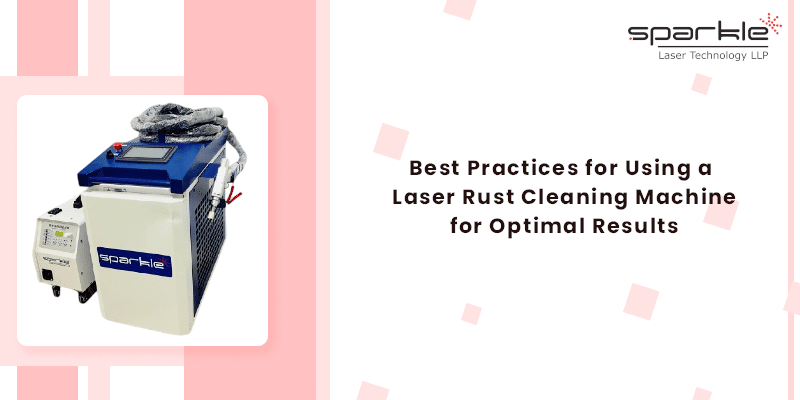
Usually, when you want to bring back metal surfaces to their shining looks, standard rust removal methods such as sanding, grinding, or using chemicals may not be very effective, as they still have the potential to harm the material or leave residues that are dangerous to humans. On the other hand, the laser rust cleaning machine, a contemporary and resourceful method can be used to get rid of rust and any other pollutants on metal surfaces. It can be done without even touching them or using any kind of harsh substances. These state-of-the-art machines aim at blowing off the oxidised layers while the metal underneath is kept intact, thus providing a neat finish with less work and causing less harm to the environment.
Regardless of whether you are in industrial maintenance, automotive restoration, aerospace upkeep, or historical artefact conservation, the use of the right practices will bring you up to a considerable level of difference in making acquainted high-quality and consistent results. This manual is going to guide you through the basic steps and professional advice which should guarantee that your laser rust cleaning will be carried out in conditions of safety, accuracy, and productivity. At the same time, you will be able to save your devices, and the cleaning performance will be at its highest level.
What is Laser Rust Cleaning Technology?
Before we get into the best practices, it would be helpful to understand how this technology essentially works:
- Non-Contact Cleaning: Laser rust cleaning machines send out a very focused beam that is aimed at rust, paint, oil, and other kinds of contaminants. The energy from the beam causes the layer that is unwanted to be vaporised or sublimated; thus, the metal that is under the layer is left untouched.
- Precision and Control: Such a system provides the user with great precision, to the point where they can clean a certain spot without the surrounding areas getting affected or the material losing its structural integrity.
- Eco-friendly Operation: Unlike all chemical methods, laser cleaning does not generate any hazardous type of waste. Hence, it is much safer for both the users and the environment.
Laser cleaning devices vary in power and configuration. Some are small handheld units, while others are larger industrial versions. The principles of getting the best results remain the same for all.
Factors to Consider Before Choosing the Laser Rust Cleaning Machine
1. Assess the Surface Condition
Initially, the metal part should be checked in order to figure out the extent of its corrosion or contamination. If the rust happens to be deep or flaky, the laser parameters may have to be altered, or a mechanical cleaning can be done first in order to raise the efficiency. Knowing the situation allows you to adjust your method accordingly, and it also saves you from repeating the work unnecessarily.
2. Select the Right Machine Configuration
One can find the laser rust cleaning machine in different models for various purposes:
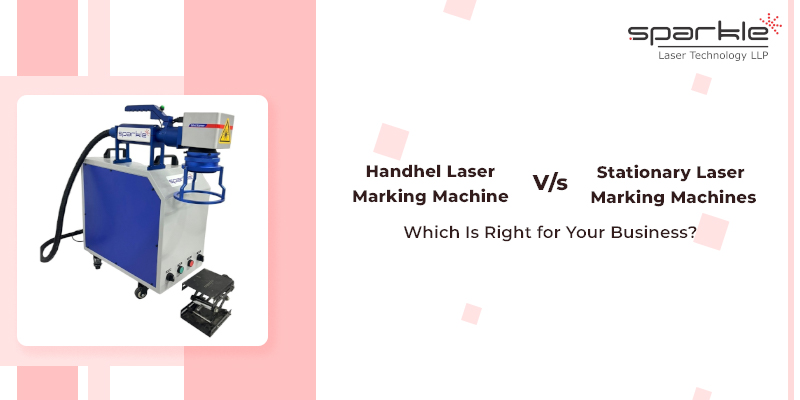
- Handheld Units: These are the best for smaller or detailed workpieces where the movement has to be easy.
- Stationary Machines: Due to their stable setups and uniform power delivery, they are more appropriate for bigger parts or high-volume industrial cleaning.
- Higher Power Options: The ones with more powerful outputs (e.g., 1500W or 2000W rated power) can do the work of removing the thicker rust layers faster, whereas lower power units are left for fragile surfaces.
If the correct tool is employed for the task, the cleaning efficiency will be higher, and the likelihood of over-cleaning or damaging the substrate will be minimal.
3. Use Appropriate Safety Gear
Laser rust cleaning is a method that involves the use of concentrated light energy, and if not handled properly, it can be dangerous. The operator, as well as any other personnel close by, should be definitely equipped with the appropriate eye protection, gloves, and protective clothing. To avoid accidents or exposure to a stray laser beam, always follow the manufacturer’s safety instructions.
Best Practices to be Followed While Using Fiber Laser Cleaning Machine
1. Adjust Power & Speed
One of the main features of a laser cleaning unit is to be able to adjust power or speed according to the level of the surface. So, if the rust is thin and the oxidation is very light, then the cleaning can be done with lower power and higher speed. Conversely, slow-moving with high power gives the result of thicker corrosion eliminating more quickly and efficiently. The best way is to try out the new settings on a small piece of the surface prior to the entire area cleaning.
2. Maintain Optimal Distance & Angle
The working of the laser beam will depend very much on how far the laser head is from the surface. Besides, if you put it too close, then the overheating of the part might occur. On the other hand, if it is too far, then the cleaning efficiency will be reduced. So, the ideal distance to work should be followed according to the user’s manual of the machine, and the laser head should be kept at the same angle for even cleaning.
3. Move Systematically for Even Coverage
Why not try a systematic and regular movement while cleaning, instead of continuously focusing on a single spot? Thus, localised overheating will not happen, and the workpiece will have the same finish all over. Also, by slightly overlapping the passes, it is possible that all the rust traces will be removed, and there will be no uneven places left.
4. Frequently Check the Surface Being Worked On
Stop often and examine the rusted surface carefully. It may happen that different layers of rust will require changes in power or even in the pattern of the ablation to be removed. The benefit of checking the progress continuously is that lightly you will expose the surface and therefore allow you to keep the fine details safe and at the same time avoid minor changes to the surface.
5. Properly Utilise Cooling Features
Laser rust removal equipment is equipped with cooling systems like water chillers to cool the heat generated during extended hours of operation. So, making sure that they are operating efficiently and that the machine is not overheating during a lengthy operation not only keeps the equipment for a longer time but also ensures the safety of the workpiece.
Post-Cleaning Care To Be Taken Care For Industrial Laser Rust Removal
1. Inspect and Touch Up if Necessary
Once the main cleaning pass is done, visually inspect the component for any spots that have been missed. A low-power follow-up pass or a slight change in the scanning speed can often accomplish surface refinement without any risk.
2. Put On Protective Treatments
After rust removal, it is advisable to protect the clean surface from further attack of the oxygen. If your application is industrial, it may consist of coating, painting, or using corrosion inhibitors. This step both makes the part last longer and also keeps it looking neat.
3. Keep Up Regular Maintenance on Your Cleaner
In order to maintain the top performance of your laser cleaning machine, you should abide by the regular maintenance schedule. Some important points are checking optics for dirt, confirming that cooling systems and air vents are not obstructed, and ensuring that all cables, connectors, and plugs are secure. Proper maintenance is a prevention against downtime and expensive repairs.
Benefits of Following Best Practices for Rust Laser Cleaning Machine
By incorporating these methods when handling a laser rust cleaning machine, you will gain:
- Efficient Rust Removal: Precise cleaning leading to the reduction of time for each part.
- Material Preservation: The use of non-contact methods keeps surface abrasion and structural damage at bay.
- Higher Productivity: The use of systematic processes and optimised settings leads to labour and energy savings.
- Environmental Safety: Removes the generation of hazardous waste related to the use of chemicals and blasting methods.
All these achievements make laser rust cleaning an excellent option for professional as well as maintainers aiming to raise the quality and speed of their work.
Frequently Asked Questions (FAQs)
1. What kinds of rust or contaminants may a laser rust cleaning unit get rid of?
A laser rust removal unit can eliminate surface rust, oxidation, paint, grease, and other contaminants without the need to damage the metal that is beneath. In fact, its accuracy allows it to be used for small parts as well as large industrial applications.
2. How can I determine the appropriate power level for my cleaning work?
The power to be chosen should relate to the thickness and the severity of the rust. Low-power machines are more efficient in the treatment of small and lightly corroded areas, whereas high-power units are more effective in the removal of thick rust. Take off a little piece of a small area for the section test and then adjust your power as you see fit.
3. Is laser cleaning a safe method for any metal types?
Laser rust cleaning is a very clean method, and it does not harm the substrate of different metals like steel, aluminium, and alloys. Nevertheless, conditions must be adjusted according to the metal type so as not to cause any surface changes unintentionally. Adhere to the instruction and test it beforehand.