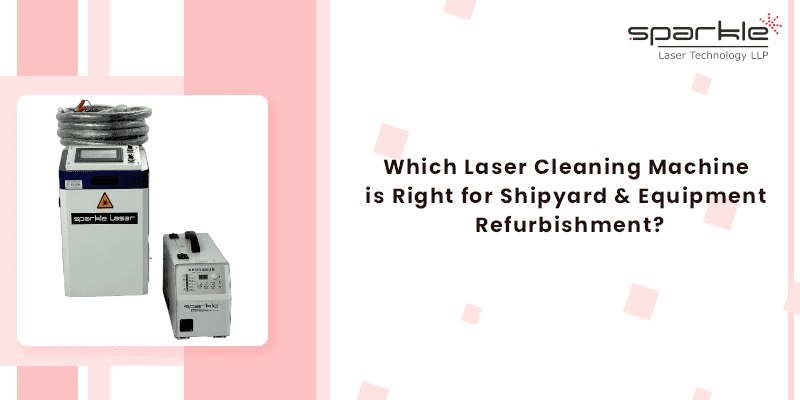
In a shipyard that repairs and maintains vessels, the preparation of the surface is not simply a matter of doing maintenance. It is the foundation of safety, durability, and performance. Ships functioning in one of the toughest conditions on earth. The constant exposure to saltwater, humidity, the temperature changes, and mechanical stresses contribute to:
- Corrosion of steel structures in great amounts.
- Heavy marine growth on hulls.
- Multiple layers of industrial coatings applied to steel structures.
- Oxidation, scale build up, and contamination of steel structure surfaces.
If a surface has not been prepared properly, new coatings will fail to adhere, welds will become weaker, and the overall integrity of the structural support will diminish. Therefore, marine equipment maintenance, and shipyard maintenance, require dependable, consistent, and high quality surface cleaning solutions.
What is Laser Cleaning & How it Works?
Laser cleaning is defined as a process whereby a powerful laser beam removes unwanted materials from the surface of metal objects through the application of controlled energy.
The laser removes unwanted materials like rust, paint, or residue on a contaminant-burdened metal surface by first directing a high-energy laser beam onto a contaminant-covered metal surface. The contaminant absorbs some of the energy from the laser beam and then vaporizes or disintegrates into micrometric particle sizes.
The base metal from which the contaminants are removed reflects most of the energy approximately 90% to 95% from the laser beam. As a result, the base metal surface will be unaffected by the laser beam energy applied to the contaminant surface.
The properties of laser energy absorption allow for successful cleaning of metallic surfaces with lasers. Different contaminants absorb laser wavelengths in the same manner as the underlying clean metal surface. Therefore, a laser beam will successfully clean the rusted surface area, leaving behind the clean surface area of the underlying metal surface.
The precision provided by laser cleaning is extremely beneficial in several applications, including:
- Removal of rust from machine tools
- Cleaning of welding joints
- Restoration of delicate parts from boats or ships
- Spot repairs in small areas
The primary difference between laser rust cleaners, laser rust removers, and laser rust cleaning equipment is their overall capability to operate either manually or automatically. In general, they all rely on the application of controlled energy to remove unwanted surface materials from metal substrates.
Common Shipyard Cleaning Challenges
Shipyards face various cleaning challenges, one type of challenge is removing the corrosion and rust that builds up on steel structures. Steel hulls and frames are constantly subject to:
- Oxidation from salt
- Corrosion from humidity
- Long-term pitting damages
If corrosion penetrates deep, it will require blasting that is controlled, rather than aggressive.
A specialized laser rust-removal system provides the ability to target and take off rust from the surface, while protecting the underlying structure. In addition, the system can get into tight seams, around rivets, and at weld zones.
Heavy-duty laser cleaning machines are used to clean large steel plates, such as those used to construct ships, once they are out of the water.
Another cleaning challenge is the removal of paint from ships. Ship hulls typically have a primer coating, followed by an anti-corrosive coating, anti-fouling paint, and finally a protective topcoat. Stripping paint off a ship hull without damaging the base metal is a monumental task.
Using a laser rust-removal system or a high-powered laser metal-cleaning system can allow for layer-by-layer removal of paint. This allows for precise work around rivets and edges, reducing or eliminating the risk of warping the base metal. Because of this, laser rust-removal systems and high-powered laser metal-cleaning systems are useful for refurbishing and repainting ship hulls.
Another cleaning challenge is removing the organic material that builds up on ship hulls and propellers. Marine organisms use ships as a base and can affect the ship’s resident time in the water, and fuel efficiency.
Types of Laser Cleaning Systems
Every shipyard uses different types of laser cleaning systems. Shipyard operations vary, so the right type of laser cleaning system depends on your size, how mobile you need to be and how much work you’ll be doing with it.
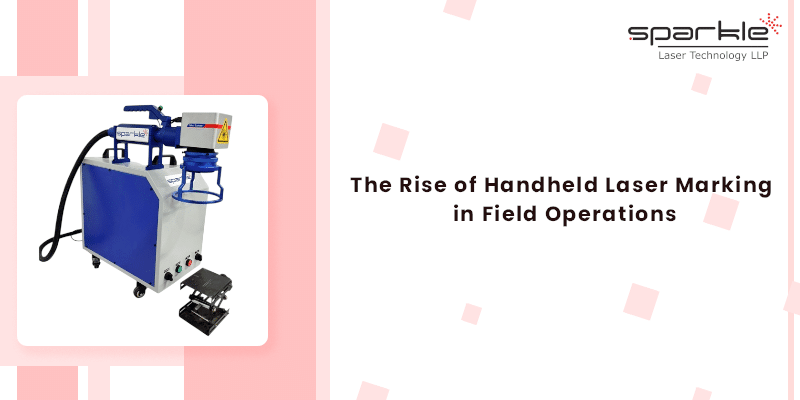
Handheld Laser Cleaning Machines
Handheld laser cleaners are affordable and can be used as a versatile tool for many modern shipyard operations. Here are some of their key features:
- They are compact and ergonomic, so your technician can hold one comfortably.
- Handheld laser cleaning machines have adjustable power settings, so they can be used for all types of work.
- They are great for spot cleaning because of their size.
Examples of where this laser cleaner could be used include:
- Removal of rust from large machine tools.
- Cleaning of small parts and components such as valves and brackets.
- Touching up on-site during vessel repair shipyard operations.
These laser cleaning systems typically function as portable laser rust removers, providing their technicians with the ability to work in tight spaces.
Bench-Mounted/Table Type Systems
For repetitive cleaning of parts, bench-mounted systems provide control over processing environments, consistency in processing parts, and an integrated extraction system. They are great for:
- Cleaning components such as bolts, fittings, and flanges.
- Cleaning engine components.
- Reconditioning mechanical parts.
These machines are used extensively in the maintenance of marine equipment working in the marine industry.
Robotic-Integrated Laser Cleaning Systems
Automation is the main key when cleaning large ship blocks or hulls. Robotic industrial laser cleaning systems maximize:
- Your productivity through efficient, high-volume cleaning.
- Improving the process of cleaning parts through automated scanning.
- Your precision through programmable cleaning capabilities.
- Your labor costs by reducing manual labor standards.
Robotic industrial laser cleaning systems are often integrated with dry-docking operations where both speed and consistency of operation are most critical.
Mobile Laser Cleaning Carts
The mobile laser cleaning cart is the type of laser cleaner that provides the greatest combination of portability and power. A mobile cart is typically a portable laser cleaning system mounted onto a mobile platform.
Ideal for:
- Large deck areas.
- Structural beams.
- Mid-sized refurbishment projects.
Technical Criteria Which Are Important To Shipyard Operations
Selecting a laser cleaning machine for a shipyard does not just come down to which is the most powerful. You must also consider the fact that all shipyards are very heavy duty, open-air, and provide an environment which can be rough on machines. Some critical technical specifications which will indicate whether or not your industrial laser cleaning system is providing you real operational value are as follows!
Electrical Power (kW) And Cleaning Speed
The amount of electrical power (kW) used will determine the speed of cleaning and the capability of material removal.Electrical power for laser cleaning systems typically include:
- 100W – 300W for cleaning light rust, light paint (up to 1/8″), and precision cleaning.
- 500W – 1,000W for cleaning moderate rust and muIti-coat surfaces.
- 1,500W – 3,000W or higher for heavy rust, heavy marine coatings, industrial size projects.
In a shipyard, the initial cost of the equipment is a smaller portion of the overall expense than the cost of the workers used to install and repair ships. The amount of wastage created as a result of installing and repairing the hull plates with the laser system will create a measurable impact on the number of square meters of coverage that can be achieved by using a laser cleaning process versus other surface preparation methods.
Effect on Productivity and Throughput
The amount of electric power chosen to do an industrial laser cleaning will impact:
- Project timeline.
- Number of laborers required.
- Time that a dock will be occupied by the repaired vessel.
- Total overall throughput.
For example, if you are using a portable laser cleaner with a lower power range of approximately 300 watts, the throughput rates will be much slower than with a laser cleaner with a higher power range of approximately 1,500 watts.
Characteristics and Suitability of Wavelength
Not all laser types behave the same way, depending on the substrate material. Understanding wavelength will help choose the correct metal cleaning laser.
Fiber, Diode, and CO2 Lasers
Fiber Lasers
A fiber laser has a nominal wavelength of approximately 1064 nm, meaning that they are very effective at removing oxidation from steel and aluminium surfaces.
They are also highly efficient and compact, making them well suited for laser orbital cleaners.
Diode Lasers
They are energy-efficient and compact. However, they are not able to perform heavy-duty rust cleaning tasks. Typical applications involve light-duty or mobile cleaning.
CO2 Lasers
CO2 lasers operate at longer wavelengths of ~10.6 µm, making them more suitable for cleaning organic substrates and non-metals.
CO2 lasers are not used extensively for cleaning heavy-duty marine steel.
The majority of laser cleaning operations on marine steel are undertaken using fiber lasers because they are effective and absorbed by oxidized materials.
Spot Size & Beam Quality
Spot size determines how concentrated the laser energy is:
- The smaller spot size, the higher energy density is and greater precision.
- Larger spot size is directly proportional to faster coverage and lower intensity.
For delicate marine components or tight weld seams, a smaller beam from a handheld laser cleaner provides pinpoint accuracy.
For deck plates and bulkheads, a wider beam increases efficiency and reduces cleaning time.
Edge and Corner Cleaning
Ship structures contain:
- Weld joints
- Riveted sections
- Curved geometries
- Reinforced corners
High beam quality allows operators to maintain consistent cleaning even on irregular surfaces. Adjustable scanning heads on advanced laser cleaning equipment ensure uniform rust removal across edges.
This is particularly important in marine equipment maintenance, where incomplete cleaning may lead to coating failure.
Depth Control and Layer Sensitivity
Shipyard surfaces are often multi-layered. From the topcoat layer down through the layers of paint, anti-corrosive primer, rusting and finally, the base metal.
Controlled Layer Removal
Operators can utilize newer technologies from laser cleaning systems. These include controlling the length of time the pulse lasts, and how fast to move across the surface to clean, as well as customizing energy density.
It is possible to remove paint while keeping the primer and to remove rust without thinning structural steel.
Particularly with the use of laser-based rust cleaner, properly calibrated systems will be able to distinguish the difference between the surface contaminant and the substrate and therefore eliminate over-processing.
Cooling and Duty Cycle
Shipyards are not traditionally controlled, laboratory-style environments. Therefore, any equipment used in the shipyard must be designed and constructed to perform reliably under extended operational conditions and rough, inclement weather.
Continuous Versus Intermittent Use
Air-cooled systems are ideal for use where the applications are intermittent or where there is a need to be mobile.
Water-cooled systems are designed to be used for extended, heavy-duty industrial cleaning of large-scale hull cleaning, ensuring reliable operation during extended shifts.
Environmental & Safety Considerations
Laser systems produce less environmental impact compared to sandblasting. However, they still need to be used safely according to manufacturer instructions and guidelines for their usage.
Dust and Fumes
Laser rust removal generates vaporization of contaminants into small particles and gas during the process. Therefore the following systems should be part of your safety plan:
- Industrial-Grade Fume Extraction System
- HEPA Filters
- Containment Shields (if required)
Although laser metal cleaning is significantly less wasteful than sandblasting, the dust created as a result of cleaning metal with lasers needs to be accounted for as well.
Laser Eyewear and Enclosures
The operation of a laser system is under regulations due to the classification of lasers. Therefore, it is required by law for users of laser systems to wear:
- Certified Laser Eye Protection Equipment.
- If applicable, a protective enclosure.
- Clearly Defined Safety Zones.
The successful integration of a laser cleaning equipment setup into a company’s workday will help to reduce risks and maintain high levels of production.
Compliance and Certification
Shipyards have to comply with both national and international standards.
- OSHA (Occupational Safety and Health Administration): Has guidelines for safe operation of lasers and controlling airborne contaminants.
- NFPA (National Fire Protection Association): Provides guidelines regarding the use of lasers in industries and how to handle combustion events at industrial sites.
- ISO Standards: To guarantee the quality of equipment produced as well as the ability of manufacturers to produce reliable equipment.
Compliance with these standards can give you the security of knowing that your laser cleaning operations are within the required specifications of your shipyard and insurance.
Training and Skills for Operating Laser Systems
Laser systems are a highly effective industrial tool. However, they can be operated properly if used correctly.
Operators using laser systems should have knowledge of:
- Laser system specifications and operational parameters.
- Safety procedures for the operators while cleaning.
- Laser maintenance procedures.
Through training the operators will produce maximum productivity when operating lasers.
Comparing Laser Systems for Shipyard Needs
| Feature | Handheld | Bench | Robotic | Mobile Cart |
| Flexibility | High | Medium | Low | High |
| Throughput | Low | Medium | High | Medium |
| Automation | Manual | Semi | Full | Semi |
| Ideal Use Case | Touch-ups / small parts | Repetitive small parts | Large scale hull/blocks | On deck major cleaning |
Advantages to Using Laser Cleaning Systems
Using industrial lasers to clean and refurbish hulls will allow the controlled removal of rust without damaging the underlying steel. The benefits of using laser cleaning systems in shipyard refurbishing include:
- Targeted removal of rust and coatings.
- Cost savings by not having to purchase abrasive media.
- Minimal secondary waste to dispose of.
- Less expense related to removing layers from steel.
- A clean surface on the hull for reinstalling coatings.
A laser system with high power will be able to efficiently strip off marine coatings that are composed of multiple layers while adjusting the controls to not damage the metal. Being able to accurately customize the laser for treating specific corroded areas makes laser cleaning a much more efficient means than aggressively blasting entire surfaces.
Transitioning to laser cleaning systems from grit blasting systems for a dry dock process will substantially eliminate time and costs incurred to clean up any remaining waste as well as the environmental requirements.
Summary
It’s important to weigh these factors when selecting laser-cleaning equipment for shipyards and refurbishing:
- Power
- Accuracy
- Compatibility with materials
- Safety
- Size of operations
Laser cleaning technology provides superior control over rust removal on large hull structures, offering significant benefits to the environment as well as lowering long-term operating costs.
When needing either a hand-held laser cleaner for small jobs, a mobile laser cleaner for more flexibility at dockside, or a fully automated industrial laser cleaner for large-scale refurbishing. The correct choice can greatly increase productivity both during shipyard operation and marine equipment maintenance.
With the marine industry becoming more automated and sustainable, laser systems are not only becoming an addition but are becoming investments in the future of the repair and preparation of vessel surfaces.
FAQs
1. Can CO₂ laser remove rust?
Yes, CO₂ lasers can be used to remove light surface rust but not as often for large scale industrial rust removal. Fiber laser systems are better suited to removing rust on metal surfaces because the wavelength of the fiber laser is absorbed more by rust and steel.
2. How do you remove rust permanently?
The only way to ensure that rust does not return is by completely removing the rust and using a protective coating on it. For long-term protection, use the laser rust remover to remove the rust and then apply a primer and an anti-corrosive coating.
3. What are the types of laser rust removal?
Hand-held laser cleaners, portable industrial rust removal lasers, high-powered industrial laser rust removal systems, and robotic automated laser cleaners are the four main types of laser rust removal. Each type of laser rust removal system is suited for different sizes of metal cleaning jobs.