In today’s world, we are witnessing a growing trend toward laser welding machines being used as a solution for everything from jewellery repair to industrial manufacturing. If you are a business owner looking to research the laser welding machine price? Or, if you are a jeweler looking for a better way to repair jewelry faster, or if you are a metal fabricator carrying out laser welding or MIG welding processes, one thing is certain: laser welding machines are having a large impact on how we connect metal pieces.
In many manufacturing environments, laser welding is often compared with traditional Custom Sheet Metal Welding Services – MIG, TIG and Spot, which are widely used for joining sheet metal components in industries such as automotive, fabrication, and heavy equipment manufacturing.
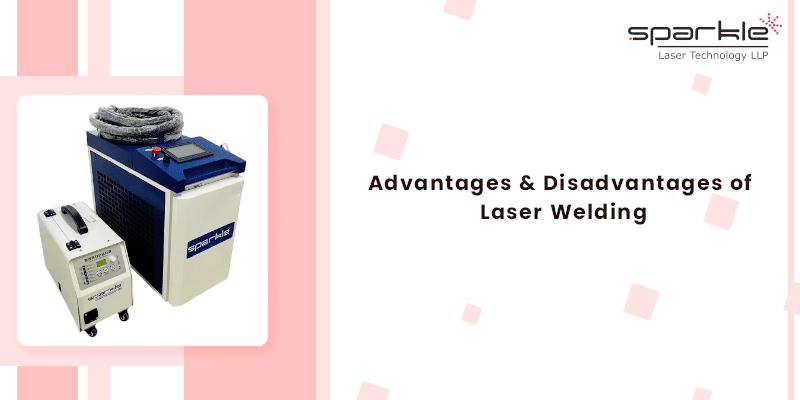
But, just like any emerging technology, laser welding has its strengths and weaknesses. The advantages and the disadvantages of laser welding will assist you in determining if laser welding is the appropriate solution for your current metal joining needs. Let’s take a look at the upsides and downsides to laser welding in a simple to understand format with no complicated terminology.
What is Laser Welding?
Before we get into the advantages and disadvantages of laser welding, let’s discuss what laser welding is and how laser welding works. It helps us understand the fundamental differences between this joining method and other forms of metal joining.
A laser welding system process uses a high-powered laser beam to target a very small area of a metal surface to create a melted melting point and to attach two pieces of metal together. Because it uses a concentrated light beam rather than using a filler rod or a broad flame, the resulting joint from a laser welding process is clean and precise.
There are several different types of laser welders in the market today, including:
- Handheld laser welding machines
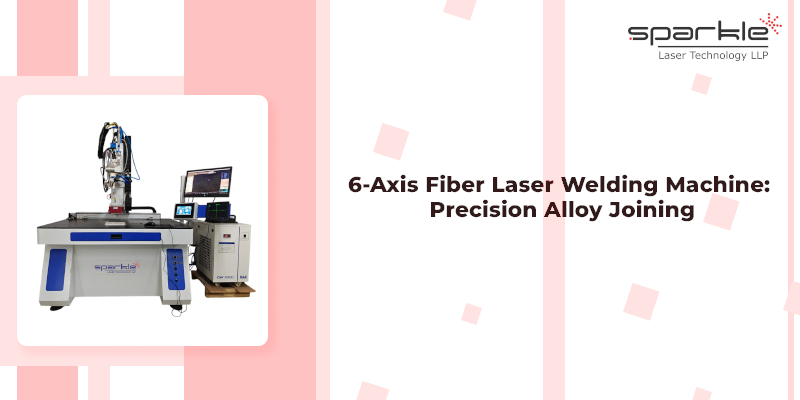
- Industrial laser welding machines
- Portable laser welders
- Automatic laser welders
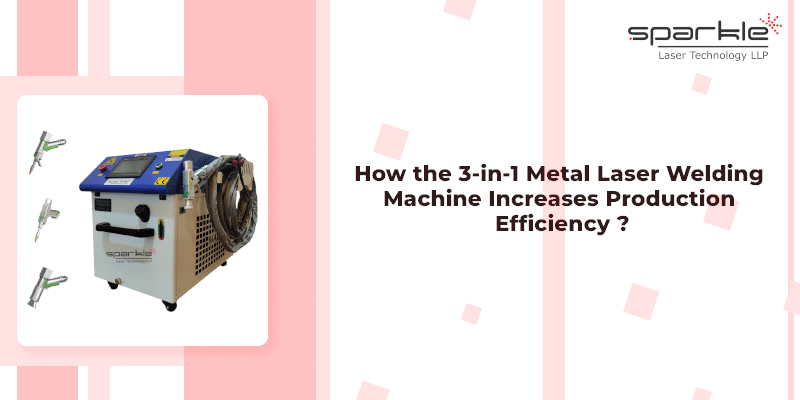
- 3-in-1 laser welding machines (welding + cutting + cleaning)
Specialized tools such as jewellery laser welding machines are also available specifically for delicate jobs.
How Does Laser Welding Work?
If you’ve wondered how does laser welding work, or how does fiber laser welding work, here’s the easiest explanation:
- A laser source (usually a fiber or Nd:YAG laser) creates a high-powered beam of concentrated light.
- This beam is focused down to a very tiny point, usually on the underside of a welded joint.
- This concentrated energy vaporizes the base metal, causing it to become molten for a very short period of time.
- When the molten area cools, the two molten areas become one, and you’ll see the weld with minimal distortion and strong adhesion.
Laser welding is very effective for all types of metals and can be performed at higher temperatures than most other welding methods. Laser welding is also very useful in industrial laser welder systems such as automotive manufacturing, aerospace manufacturing, electronics, medical devices, and many others.
Laser Welding Specification
| Advantages | Disadvantages |
|---|---|
| High precision and clean welds | High equipment cost |
| Fast, efficient, and productive | Requires operator training |
| Low heat distortion | Safety risks (eye/skin hazards) |
| Works with many metals | Extra prep for reflective metals |
| Clean, non-contact process | Limited depth on very thick materials |
let’s explore in detail advantage & disadvantage of laser welding:
Advantages of Laser Welding
Laser welding has many advantages. Here are some of the significant advantages for businesses comparing equipment or looking for the top-rated laser welding machine on the market.
1. Ultra Precision and High Quality Welds
Laser welding is an exact science and, as such, produces welds that are far more precise than other types of welding like flame or MIG. They are:
- Laser welding is used for micro-welding
- Electronically activated components
- Jewelry laser welding machine repair
- Fine-detail work on very thin materials
The result is an incredibly clean weld, whether they are connecting tiny chains or forming very thin pieces of aluminum.
2. Increased Productivity, Faster Workflows
A good laser welding machine can do it in minutes, when other types of welding machines take hours to complete.
- Faster output
- Faster customer turnaround
- Lower labor costs
Therefore, many industries are opting for industrial laser welding machine setups for mass production.
3. Low Thermal Impact and Low Distortion
The traditional method of welding generates high temperatures in a broad span, which results in warping and discoloration. A laser welding machine produces localized heating in the metal and has low disruption for:
- Heat-Sensitive Components
- Electronics
- Laser welding stainless steel
- Laser welding aluminium
- Antique or Delicate Jewellery
Thus, there are many reasons why companies will buy a laser welding machine even with a higher price.
4. Multiple Metals Can Be Processed
A multitude of materials can be processed with laser welding, including:
• Stainless Steel
• Aluminum
• Carbon Steel
• Copper
• Nickel
• Titanium
• Precious Metals (gold, silver, and platinum)
Earlier, welding aluminium and other metals were previously very difficult to weld due to their properties.
5. Non-Contact and Clean Laser Welding Process
As there is no contact with an electrode using this method, there is little chance of contamination. In addition, the process produces less debris than arc welding. A laser equalizes heat, i.e., it does not create heat on one side that can result in corrosion at the joint area or oxidation of any type.
6. Modern Automation for Laser Welding Systems
Based on current factory needs, modern factories are beginning to utilize:
• Fully Automatic laser welding machine systems
• Robot automation
• Multiple welding stations to batch produce welds
Laser welding allows robotic and automatic processes to produce identical welds repeatedly with little or no human intervention or errors.
7. Portability and Versatility
Tools like the handheld laser welding system, 3 in 1 laser welding and portable laser welder are designed for versatile use, so workers can use them to weld in any location, whether on the job site, at a workshop or inside an industrial factory.
Disadvantages of Laser Welding
In order to evaluate laser welding as a whole, it is helpful to analyze both the pros and cons of laser welding associated with this process. The positives associated with laser welding are unmatched by any other welding method, but there are negatives as well.
1. Cost of Equipment
The most significant negative aspect is the laser welding machine price. Professional setups using Fiber Laser technology are generally more costly when compared to using MIG/TIG machines. However, even a low-end jewelry laser welding machine cost is significantly more expensive than an equivalent torch based system.
2. Skill Level Required
While operating a Laser Welding machine is much easier than using TIG or MIG, the operator of the Laser Welding machine must still be properly trained on:
- Positioning of the beam
- Metal reflectivity
- Dialing in power settings
- The proper safety equipment
The Learning Curve associated with using a Laser Welding system is a negative thing for the novice user.
3. Safety Issue
Laser beams create a potential hazard to an operator’s eyes and skin. Therefore, operators must have proper protective equipment and a safe working environment to operate laser welding systems safely.
4. Preparation Required for Reflective Metals
High reflectivity metals like Aluminum and Copper often require additional preparation prior to laser welding, as follows:
- Surface cleaning
- Modifying the power settings
- Specifying wavelengths
This means that additional processes like cleaning, modifying, and specifying, which were typically handled by operators in the past, are taken care of by newer machines superfast.
5. Limited Depth of Welds on Very Heavy Material
Laser welding generally produces welds that are much deeper than traditional methods.
However, some very heavy steel pieces may still require traditional arc welding. The points above present the laser welding advantages and disadvantages and therefore should be weighed when considering a purchase of an industrial laser welding machine or automatic laser welder.
Conclusion
When you evaluate the value of laser welding technology, there are numerous important factors to take into consideration. One of these factors is that laser welding can process parts at much faster rates than traditional welding methods while providing excellent quality control; therefore, it’s a tremendous benefit to utilizing laser welding machines.
The laser welding machine price will initially cost more than traditional welding machines. However, the increased productivity that businesses can experience from using a laser welding machine, in conjunction with the reduction in the amount of rework that will be needed, and the ability to provide an exceptional finish, all make it an investment for the future, and not simply a cost of doing business.
When engaging in any type of welding, especially when performing work that requires precise alignment of metal components like laser welding aluminium or laser welding stainless steel, quick turnaround times, and clean finishes, laser welding is not just an incremental evolution from traditional welding; it’s an opportunity to completely transform how your business operates.
FAQs
1. What are the side effects of laser welding?
Laser welding produces a potential risk of eye exposure, mild fumes depending on material, and a potential chance of reflection from shiny metals. However, if the worker uses proper eyewear, has good ventilation, and has the machine properly set up, the possibility of these negative effects is greatly diminished.
2. Is laser welding better than TIG?
Laser welding is superior to TIG welding in terms of speed, precision, minimum heat effects, and produces clean results. On the other hand, TIG welding may be more affordable for thicker materials and for performing simple repairs.
3. What are the advantages of laser beams?
Laser beams have several advantages: highly precise, low heat energy input, a narrow weld (less than 1 mm), faster processing, and the ability to weld delicate or heat-sensitive materials.
4. What are the limitations of GMAW welding?
Thin metal is one of the main weaknesses of GMAW (MIG) welding. It also needs shielding gas and produces much more heat distortion and spatter than laser welding, making it less precise.
5. Is laser welding as strong as MIG?
In many cases, Laser welds are at least as strong as MIG welds due to the fact that they have greater depth of penetration, produce cleaner fusion, and create far fewer heat-affected zones.