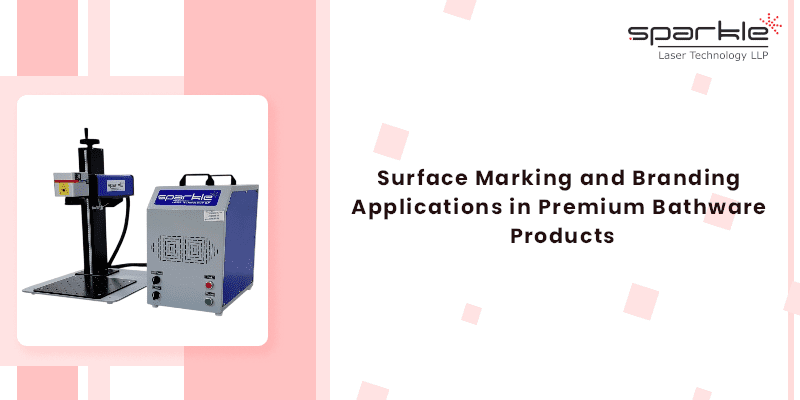
The premium bathware market has changed significantly over the years. Moving from simple, utilitarian items to one that offers not only superior quality and craftsmanship. It also allows consumers to express their personal style and enjoy the luxury of a refined lifestyle when using premium products. In fact, luxury items ranging from luxurious taps, designer sanitary-ware and innovative shower systems provide consumers with functionality as well as an expression of design; thus creating a modern image of a bathroom for today’s lifestyles.
When you are in a luxury environment, the bathroom becomes a sanctuary. Therefore, all elements should contribute to a cohesive bathroom experience. For example, a tap must provide smooth, controlled water delivery and fit into the design of the rest of the room. Regardless, for instance, of whether the tap or the rest of the room is done in a minimalist, contemporary or luxurious manner.
Branding is critical in this environment. Premium consumers are very discerning customers, and they will associate the brand with quality, durability and class. Hence doing so allows a consumer to see that a product has high-quality materials and workmanship. Therefore, the consumer can make quick decisions regarding instant recognition of the brand, craftsmanship and reliability, and very often make decisions to purchase products without knowing it.
Surface marking provides two broad functions: as a functional means of conveying critical surface-related product information. Secondly, as a means of creating an identity through the use of logos, symbols and design features.
Surface marking, in the case of premium baths, has evolved to become much more than just a method of displaying information. Let’s jump into detail!
What is Surface Marking in Bathware?
Surface Marking of Bathroom Accessories or “Surface Marking” actually is quite simply an application of various methods to apply text or graphic designs (including designs, patterns and images) to product surfaces. Some of the methods used for surface marking include engraving, printing, etching or laser technologies. Some of these will depend on how you want your end product to look and what product material is made from.
Overall, surface marking has three main purposes for the product:
1. Decorative Marking
These markings are primarily decorative in nature. They are meant to make the product more beautiful and to improve its physical appeal to the consumer, through:
- Patterns or texture
- Artistic motifs
- Designer finishes.
In fact, in most cases, decorative marking in premium bathware is consistent with the rest of the design theme of a product and provides an additional level of sophistication and exclusivity to the product.
2. Informational Marking
Informational surface markings have a functional purpose in that they will provide consumers with useful information about the product, including:
- The model number and the product code.
- An installation guide, if necessary.
- Whether or not the product meets certain industry certifications or standards.
In all cases, these markings provide an important functional role. They should be executed in a way that does not drastically alter or disrupt the harmony or beauty of a product.
3. Branding Elements
Branding elements include:
- Brandmarks
- Taglines
- Signature Design Marks
When all of these elements are used to create products, they support brand recognition while not appearing too obtrusive.
Why Premium Bathware Requires Quality Marks?
Compared to mass-produced items, premium bathware is held to higher standards:
- Durability: Markings must be able to endure high humidity, high temperatures and frequent cleaning.
- Precision: Fine details must be available to maintain a luxurious appearance.
- Surface Integrity: The marking process must not damage finishes such as chrome or PVD.
An improperly marked bathware item can diminish the overall thought of quality. In contrast, a great mark can create confidence in the product and contribute to the prestige of the brand.
Significance of Branding in High-End Bathware
Brand name recognition is only part of the bathware experience in the world of luxury.
Brand Image in Luxe Interior Design
The overall perception of contemporary luxury interiors is based on unity and trustworthiness. When consumers or designers purchase bathware that is produced by established luxury brands, they have confidence in:
- Quality has been proven.
- The design is excellent.
That it will last over time.
When consumers use products from luxury bathware brands. They rely on a visible and understated brand that offers reassurance, as it will meet all of their above-mentioned expectations.
How Discreet Branding Can Increase Perceived Value?
In the case of luxury products, branding is generally not loud. This means that the branding is:
- Minimal
- Well-placed
- Integrated
The consumer’s lack of need for a large presence communicates to them an assurance that they do not need to make that type of investment advertisement, that the product speaks for itself in its design and finish.
Importance of Branding
When consumers of high-end products make a purchase, there are two forms of thinking that are involved in the process, rational and emotional thinking.
- Trust through visibility: Logos that can be identified are a source of the consumer feeling assured that they are purchasing from a quality and trustworthy brand.
- An association of quality with longevity: Established brands relate to the consumer’s awareness of quality materials and manufacturing in addition to long-term product performance.
When the engraved logo is very small, this can be sufficient to change the perception of a product that is designed for function only into a product that has become a successful investment.
Key Surface Marking Technology Utilized
In high-end bathware, selecting the correct technology for marking the surface is not only a technological choice, but also impacts the durability and aesthetics of a product as well as how it is perceived by consumers. Each technology has its own advantages which differ based on material type, complexity of design, and intended application.
Laser Marking
Laser marking is one of the latest advancements in the premium segment and is based on noncontact technology. The process uses a focused laser beam to create an area altering the properties of a material’s surface to produce a permanent mark.
Process Overview
The laser beam is directed towards an area on the surface at a high-energy level, causing localized heating, oxidation, or vaporizing the material in that area. There is no direct contact between the laser and the substrate during this process. Therefore, the process is extremely accurate without damaging adjacent material.
Materials Used
- Stainless Steel
- Chrome Plated Finishes
- Brass with Coatings
- Ceramics
Etching & Engraving
Etching and engraving are two forms of traditional techniques commonly used and held in high regard to produce an image that can be seen and felt on the surface.
Chemically Etched Vs. Mechanically Engraved
- Chemical Etching – Utilizes acid/chemical solutions to dissolve/remove the base material to create a design. Best for producing fine, uniform patterns.
- Mechanical Engraving – Involves physically cutting into the surface using cutting tools or CNC machinery.
Pad Printing
Pad printing is an extremely versatile style of printing, which is perfect for printing graphics on uneven or complex surfaces.
How Does it Work?
Ink is transferred to a silicone pad from a plate that is etched with the image/images, and the silicone pads are flexible enough so that they can conform to curved, concave or irregular surfaces.
When to Use It?
- Faucet handles with curves
- Plastic or composite accessories to use in the bath
- Small parts with complex shapes
Screen Printing
Screen printing is an established printing method used for flat or slightly curved surfaces.
How does it work?
Screen printing works by pushing ink through a mesh screen onto the substrate, with stencils controlling the image applied. When doing multiple colors, you can use a number of different screens to do so.
Key Benefits
- Bright, opaque colors: Great for vibrant colors.
- Multiple layer designs: Good for complex images with multiple colors.
- Repeatability: Good choice for producing large quantities of products.
- Best Surfaces: Glass shower doors, Ceramic tiles and sanitaryware
UV Printing
UV printing is a modern digital marking process, with the capability of printing custom high-quality, on-demand.
How does it Works?
The UV printer will print directly to the substrate and will flood coat the image with ink. The ink is then cured using UV light instantly, producing durable high-resolution images.
Benefits
- High-resolution images: Perfect for printing highly detailed images and images that have gradients in them.
- Fast turn-around: Minimal amount of time is required to get ready to print compared to other types of printing.
Future Directions in Brand Marketing of Bathtubs
The ads for bathtubs arranged on surfaces will reach a new phase of development, blending digital innovation with physical design, as technology and consumer wants develop.
Digital Identification of Smart Bath Products
A growing number of modern bathtubs will be connected to digital systems. With QR Codes, products can provide links to installation instructions, maintenance tips, and warranty research. Near Field Communication will allow users to link their smartphones in order to authenticate their purchases instantly.
Smart bath products will provide an interactive experience for consumers and create a level of after-sale engagement that is more significant than ever before.
Challenges in Surface Marking for Bathware
- Counterfeiting is a considerable risk for premium brands and products.
- Micro-marking is an example of using ultra-fine, often totally invisible engravings for the outside of the bathtub.
- Invisible identifiers that can provide verification through special tools can help the brand:
Protect their intellectual property.
Protect their products from being counterfeited.
Instill trust in the consumer.
Advanced Bath Materials and Finishes
The ongoing introduction of innovative materials will be attractive to consumers with respect to:
- Metals with PVD (Physical Vapour Deposition) Coatings
- Anti-Fingerprint Finishes
- Ceramics with Nano-Coatings
Summary
Surface marking serves as both a form of technical specification for semi-permanent marking, such as branding, as well as acting as a graphic representation of quality. Surface marking provides customers with essential product information, reinforces branded product identity, and has an overall impact on how consumers perceive and interact with that product.
In the ever-evolving premium bathware industry, innovation continues to adapt and change the capabilities of surface marking. With the implementation of cutting-edge, smart technologies, advanced sustainable processing methods, and material sciences, the possibilities for surface marking are becoming more diverse every day.
The future of premium bathware design will require seamless integration of form and function, enhancing the complete customer experience through the incorporation of digital technologies. Brands that leverage these new technologies and opportunities will create meaningful, intelligent, and lasting consumer experiences with their products.
FAQs
1. Which surface marking method is best for premium bathware?
Laser marking is widely preferred due to its precision, durability, and clean finish, especially for metal and ceramic surfaces.
2. Are surface markings durable in bathroom conditions?
Yes, high-quality methods like laser marking and engraving are designed to withstand moisture, cleaning chemicals, and regular wear.
3. Can bathware products be customized with branding or logos?
Yes, technologies like UV printing and laser marking allow easy customization for logos, designs, and even personalized elements.