In today’s competitive business environment, making a strong first impression is more important than ever. While traditional paper business cards are still widely used, they are quickly being replaced by more premium and durable alternatives. One of the most popular choices among modern professionals is customized metal business cards.
These cards are not just a design trend; they represent a shift toward high-end branding. Metal business cards offer durability, a unique tactile experience, and a visual appeal that immediately sets a brand apart. However, producing such high-quality cards requires advanced manufacturing technology, and this is where laser machines come into play.
The most common confusion for businesses entering this space is choosing between fiber laser and CO₂ laser technology. While both are widely used in the laser industry, their performance and suitability for metal business cards are very different.
Why Metal Business Cards Require Specialized Technology?
Metal business cards are typically made from materials such as stainless steel, aluminum, or brass. These materials are strong and durable, which makes them ideal for long-lasting branding, but also more challenging to process compared to paper or plastic.
Creating a metal business card involves more than just engraving a name or logo. It often includes detailed patterns, fine text, and sometimes even cut-out designs. This level of precision requires a machine that can handle metal surfaces without compromising quality.
Laser technology is the preferred solution because it allows manufacturers to achieve consistent results with high precision. However, the type of laser used plays a critical role in determining the final output.
Why is Fiber Laser the Best Choice for Metal Engraving?
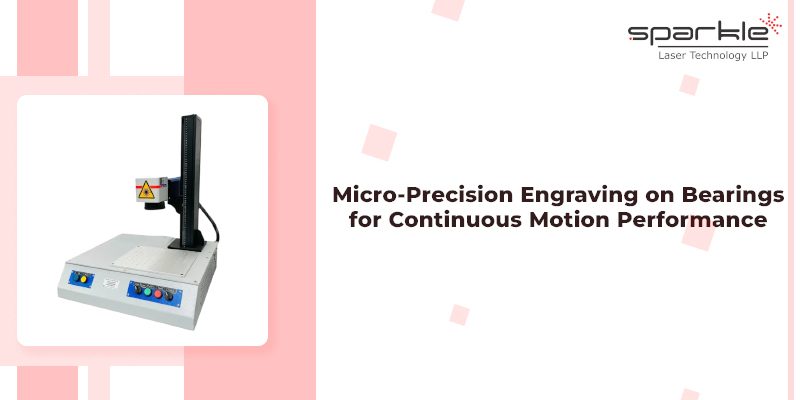
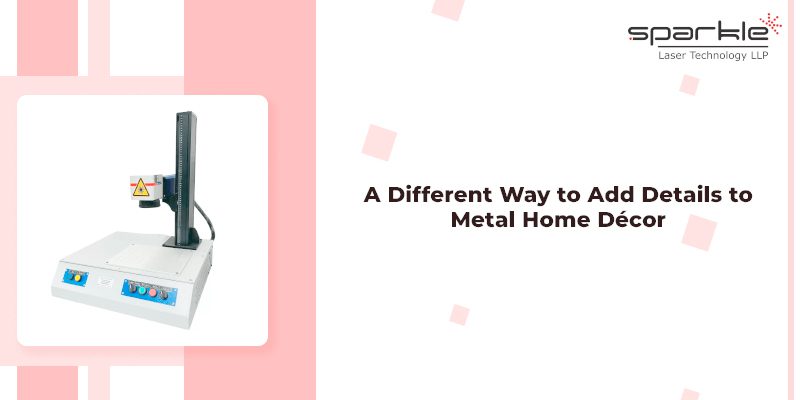
Fiber laser machines are specifically designed for working with metals. They generate a highly focused beam that interacts directly with the surface of the material, allowing for clean and precise engraving.
One of the biggest advantages of fiber laser technology is its ability to create permanent markings without the need for additional treatments. This makes it highly efficient for producing metal business cards with sharp and detailed designs.
A fiber laser machine is particularly effective for:
- Deep and high-contrast engraving
- Fine detailing in logos and text
- Fast and consistent production
Because of these capabilities, fiber lasers are widely used in industries such as jewellery, electronics, and industrial manufacturing, where precision is critical.
Why CO₂ Laser Falls Short for Metal Applications?
CO₂ laser machines are known for their versatility, especially when it comes to non-metal materials. They are commonly used for cutting and engraving wood, acrylic, leather, and plastic.
While CO₂ lasers are effective in many applications, they are not designed for direct metal engraving. In most cases, they require the use of special coatings to mark metal surfaces. Even then, the results are not as durable or precise as those achieved with fiber lasers.
This limitation becomes especially important when producing metal business cards, where quality and longevity are key factors.
Key Differences That Impact Your Business
When comparing fiber and CO₂ lasers, it is important to focus on real-world performance rather than just technical specifications. The differences become very clear when you look at how each technology handles metal.
Fiber lasers work directly on metal surfaces, which means they can produce clean and permanent engravings in a single step. This not only improves efficiency but also ensures consistent quality across multiple pieces.
CO₂ lasers, on the other hand, involve additional steps and still do not achieve the same level of durability. This makes them less suitable for businesses that aim to produce premium metal products.
Another important factor is the level of detail. Metal business cards often include intricate designs that require high precision. Fiber lasers excel in this area, delivering sharp and clear results even at a very small scale.
Production Efficiency and Business Scalability
For businesses, efficiency is just as important as quality. Fiber laser machines offer high-speed processing, which allows manufacturers to handle both small and large orders with ease. This makes them ideal for businesses that want to scale their operations.
In contrast, CO₂ lasers are slower when it comes to metal-related tasks and require additional preparation, which can limit productivity.
From a long-term perspective, investing in a fiber laser machine can significantly improve production capacity and reduce operational costs.
Real Applications in Metal Business Card Production
To better understand the role of fiber lasers, it helps to look at how they are used in real production scenarios.
They are commonly used for:
- Engraving company logos with high precision
- Creating QR codes that remain scannable over time
- Producing textured or matte finishes for a premium look
These applications highlight the versatility and reliability of fiber laser technology in producing high-quality metal business cards.
When CO₂ Lasers Still Be Useful?
Although CO₂ lasers are not ideal for metal, they can still be useful for businesses that work with multiple materials. For example, if a company produces wooden or acrylic business cards alongside metal ones, a CO₂ laser machine can complement the production process.
However, for businesses focused specifically on metal products, relying on CO₂ technology alone can limit growth and product quality.
Choosing the Right Machine for Your Business
Selecting the right laser machine depends on your business goals and the type of products you want to create. If your focus is on premium metal business cards, fiber laser technology offers the best combination of precision, speed, and durability.
It also provides greater flexibility in design, allowing you to experiment with different styles and finishes without compromising quality.
Over time, this flexibility can become a key advantage in a competitive market.
Conclusion
Customized metal business cards are more than just a trend they are a powerful branding tool that reflects quality and professionalism. To produce these cards effectively, choosing the right laser technology is essential.
Fiber laser machines clearly stand out as the best option for metal engraving. They provide direct interaction with metal surfaces, high precision, and long-lasting results. CO₂ lasers, while useful for non-metal materials, cannot deliver the same level of performance for metal applications.
For businesses looking to create premium products and build a strong brand identity, investing in fiber laser technology is the most reliable and future-ready choice.
Frequently Asked Questions (FAQs)
1. Can CO₂ lasers engrave metal business cards?
CO₂ lasers cannot directly engrave metal. They require coatings, which reduces durability and quality.
2. Which laser is best for metal business cards?
Fiber laser machines are the best choice because they provide precise and permanent engraving
3. Are fiber laser engravings durable?
Yes, they are permanent and resistant to wear, scratches, and fading.
4. Can fiber lasers handle detailed designs?
Yes, they are capable of engraving fine text, logos, and intricate patterns with high accuracy.
5. Is fiber laser a good investment?
Yes, it offers better efficiency, higher quality output, and long-term value for businesses.