The medical industry demands extremely high standards for safety, traceability, and durability. From surgical instruments to implantable devices, every component must be clearly identifiable throughout its lifecycle. Permanent marking plays a critical role in meeting these requirements.
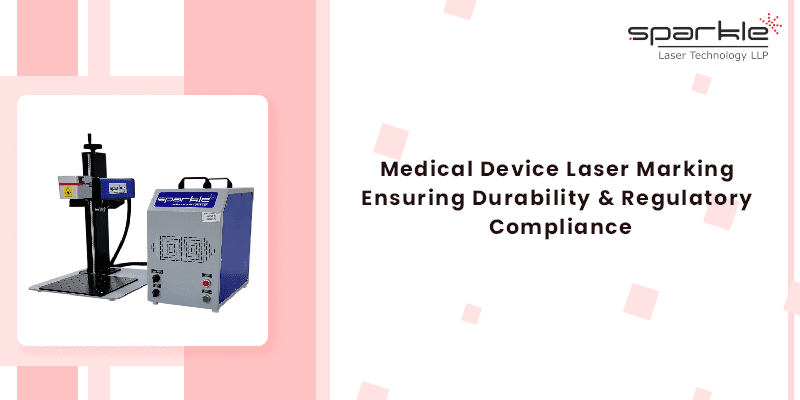
Medical device laser marking has become one of the most reliable solutions for product identification. Laser systems create permanent markings on metals, plastics, and other materials without damaging the surface or affecting device performance.
With increasing regulatory requirements such as Unique Device Identification (UDI), manufacturers are adopting advanced laser marking technologies to ensure traceability, compliance, and product safety across the healthcare supply chain. Let’s have a glance at it!
Why Marking is Important for Medical Devices?
Medical devices must be identifiable at every stage of their lifecycle from manufacturing and sterilization to distribution and use in healthcare environments.
Proper marking allows manufacturers, healthcare providers, and regulators to track devices efficiently and ensure patient safety.
Key benefits of medical device marking include:
- Product Traceability :
Permanent identifiers help track devices across manufacturing and distribution processes. - Regulatory Compliance :
Authorities such as the FDA and EU MDR require clear identification of medical devices. - Patient Safety :
Accurate identification reduces the risk of errors during medical procedures. - Product Authentication :
Permanent markings help prevent counterfeit medical devices from entering the supply chain. - Long-Term Durability :
Markings must remain readable even after repeated sterilization and cleaning processes.
What is Medical Device Laser Marking?
Medical device laser marking is a non-contact process that uses focused laser beams to create permanent identifiers on medical components.
These markings can include:
- Serial numbers
- Data matrix codes
- Unique Device Identification (UDI) codes
- Manufacturing batch numbers
- Logos or product information
Unlike traditional marking methods such as printing or labeling, laser marking does not require inks, chemicals, or physical contact with the device surface. This makes it ideal for sensitive medical instruments where contamination must be avoided.
Laser marking systems can produce extremely fine and precise markings that remain readable throughout the device’s lifespan.
Common Laser Marking Techniques for Medical Devices
Different marking methods are used depending on the device material and regulatory requirements.
1. Laser Engraving
Laser engraving removes a small amount of material from the surface to create permanent marks.
Advantages include:
- Highly durable markings
- Excellent readability
- Resistant to sterilization processes
This technique is often used for stainless steel surgical instruments and durable medical components.
2. Laser Annealing
Laser annealing alters the surface structure of metal without removing material.
Benefits include:
- Smooth surface finish
- High contrast markings
- Minimal surface damage
This method is widely used for stainless steel instruments where maintaining surface integrity is critical.
3. Surface Laser Marking
Surface marking creates visible markings without deep engraving.
This method is suitable for:
- Delicate medical components
- Thin materials
- Plastic medical devices
Surface marking helps maintain the structural integrity of sensitive devices.
Materials Used in Medical Device Laser Marking
Medical devices are manufactured from a variety of materials that require precise marking solutions.
Common materials include:
- Stainless steel
- Titanium
- Aluminum
- Medical-grade plastics
- Ceramics
Advanced laser systems can mark these materials with high precision while maintaining strict quality standards required in medical manufacturing.
Laser Technologies Used for Medical Device Marking
Different laser sources are used depending on the material and marking requirements.
Fiber Laser Systems
Fiber lasers are commonly used for marking metals such as stainless steel and titanium.
Key advantages include:
- High precision marking
- Long operational lifespan
- Low maintenance requirements
UV Laser Systems
UV lasers are ideal for marking plastics and delicate materials.
Advantages include:
- Minimal heat impact
- High marking accuracy
- Excellent contrast on sensitive materials
Green Laser Systems
Green lasers are used for specialized materials that require controlled energy absorption.
They provide precise marking with reduced thermal impact.
Best Practices for Medical Device Laser Marking
To ensure reliable results and regulatory compliance, manufacturers should follow several best practices.
1. Use High-Resolution Marking Systems
Medical identifiers such as UDI codes require extremely precise markings. High-resolution laser systems ensure readability and scanning accuracy.
2. Maintain Clean Manufacturing Environments
Contaminants can affect marking quality and device safety. Clean environments ensure accurate and sterile marking.
3. Optimize Laser Parameters
Laser power, speed, and pulse frequency should be carefully adjusted to prevent material damage while maintaining mark clarity.
4. Verify Marking Quality
Automated inspection systems are often used to verify the readability of data matrix codes and other identifiers.
5. Follow Regulatory Standards
Medical device manufacturers must ensure markings comply with global regulatory requirements and industry standards.
Challenges in Medical Device Marking
Medical device manufacturers face several challenges when implementing permanent marking solutions.
Common challenges include:
- Maintaining readability after sterilization
- Preventing material damage on delicate components
- Ensuring high contrast markings on small surfaces
- Meeting strict regulatory requirements
Advanced laser marking technologies help overcome these challenges by offering precise beam control and highly reliable marking performance.
The Role of Laser Marking in Medical Device Traceability
As healthcare regulations continue to evolve, traceability requirements are becoming more stringent. Laser marking supports these requirements by enabling permanent identification that remains readable throughout the device lifecycle.
Laser-marked devices can be tracked through:
- Manufacturing processes
- Quality inspection systems
- Hospital inventory systems
- Regulatory reporting platforms
This improves supply chain transparency and enhances patient safety.
Conclusion
Medical device laser marking plays a critical role in ensuring product durability, traceability, and regulatory compliance. By providing permanent, high-precision identification, laser systems help manufacturers meet strict industry requirements while maintaining the quality and safety of medical devices.
With advancements in laser marking technology, manufacturers can achieve reliable identification across a wide range of medical materials and components. As the medical industry continues to evolve, laser marking will remain an essential solution for maintaining compliance, improving traceability, and supporting safer healthcare products.
Frequently Asked Questions (FAQs)
What is laser marking in medical devices?
Laser marking in medical devices is a process that uses laser technology to create permanent identifiers such as serial numbers, UDI codes, and data matrix codes on medical components for traceability and regulatory compliance.
Why is UDI important for medical devices?
Unique Device Identification (UDI) helps regulators, hospitals, and manufacturers track medical devices throughout their lifecycle, improving patient safety and product traceability.
Can laser marking damage medical devices?
When performed with properly calibrated laser systems, laser marking does not damage the device. Modern systems create precise markings while maintaining the structural integrity of the material.
Which materials can be laser marked in medical devices?
Laser marking can be used on materials such as stainless steel, titanium, aluminum, plastics, and ceramics commonly used in medical device manufacturing.